- All
- Art Centres
- Artist Background
- Artist Interviews
- Collecting Art
- Education
- Exhibit Walk Through
- Featured Works
- Industry Events
- Interior Design
- Key Concepts
- Ochre Painting
- Rock Art
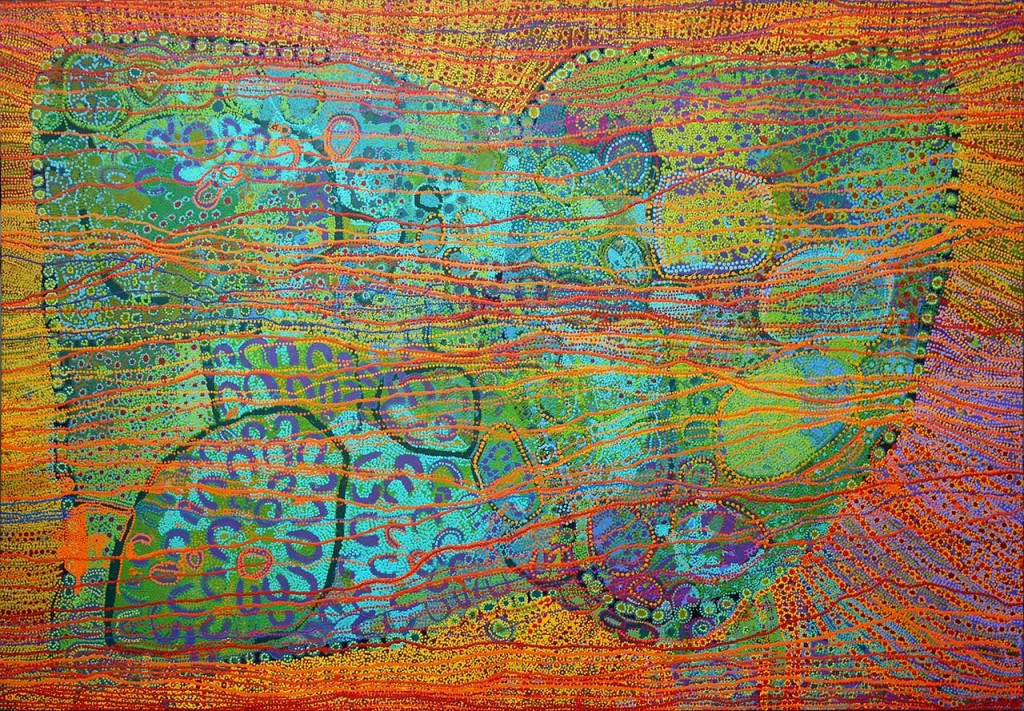
Mijili Napanangka Gibson Masterpiece New York Bound
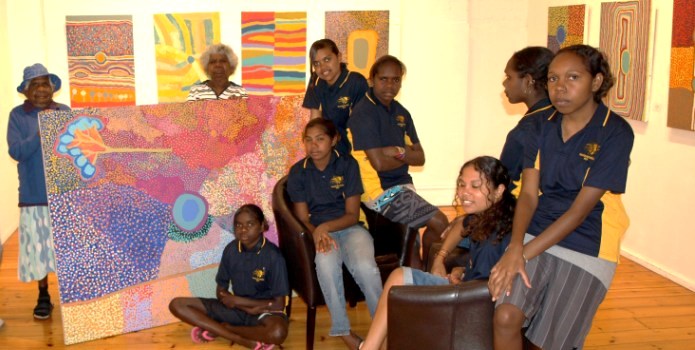
This week we started saying our good-byes to this really major painting by Mijili Napanangka Gibson. It’s three metres by two metres and it’s an extraordinary colour painting. By most people in the industry, it’s considered to be her masterpiece. She was nearly 80 when she painted it and it took her nearly nine months to paint.…
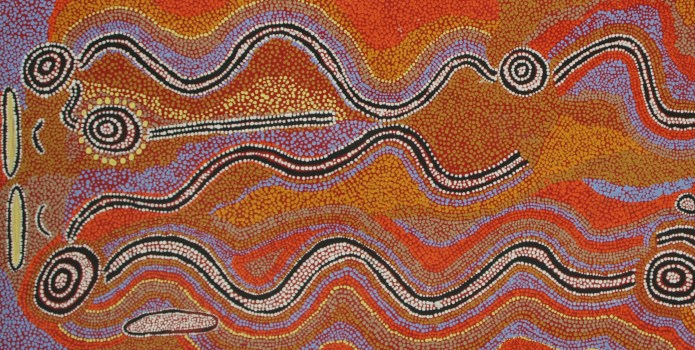
Yuendumu Men’s Museum and Western Desert Art
In 1971 at the Warlpiri community of Yuendumu, north-west of Alice Springs, the senior men established a Museum as a safehouse for storing culturally sensitive items and artefacts used in ceremony and Law. It also contained murals and sand paintings representing significant Dreaming stories from the various Warlpiri skin groups, comprising images from sacred sites…
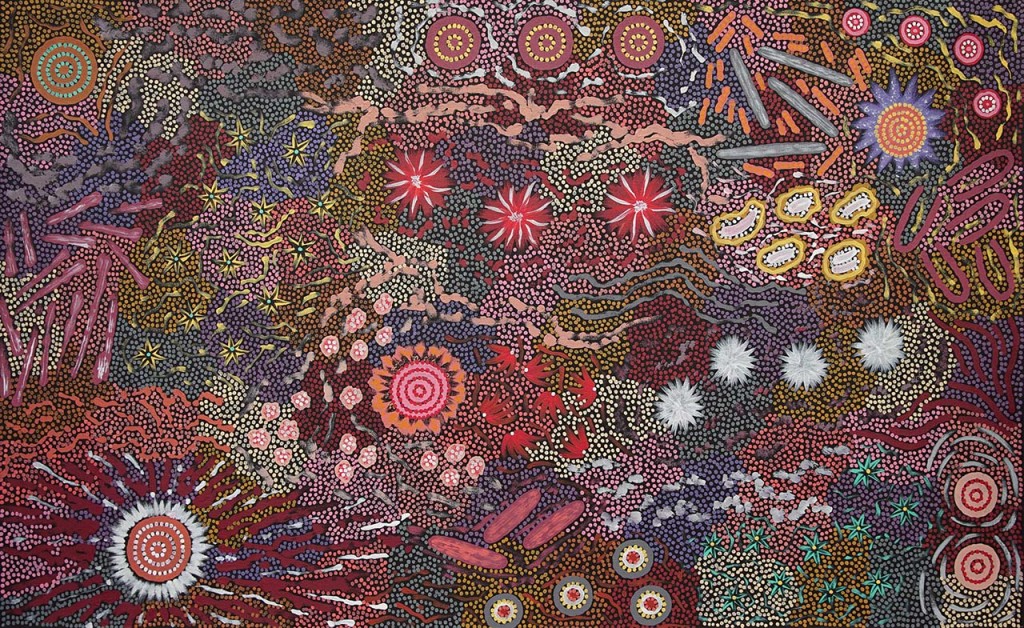
The Perpetually Evolving Michelle Possum Nungurrayi
Michelle Possum Nungurrayi Michelle Possum Nungurrayi is the younger daughter of Emily Nakamarra Possum and Clifford Possum Tjapaltjarri. Clifford is celebrated as being one of the founding artists of the contemporary indigenous art movement. Michelle was born in Papunya Tula in 1970. Her family moved to Yuelamu, near Mount Allen shortly after. Michelle later married…
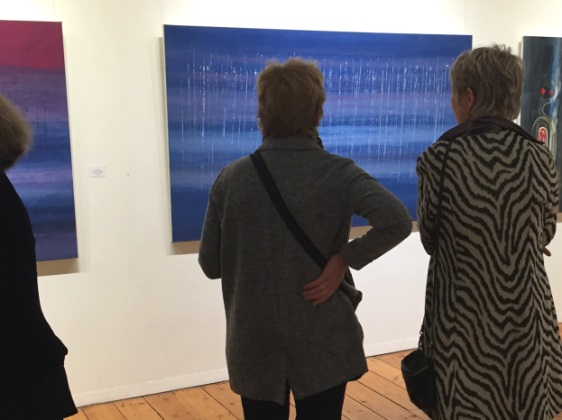
Rosella Namok’s Feeling For The Rain
Rosella Namok lives in Cairns, Queensland. She paints about her home near the Lockhart River, a twelve hour drive away. Many of her works feature the monsoon rain. She talks here about her life, her art and what she would like people to enjoy about her work. So you grew up near Lockhart River? Yes,…
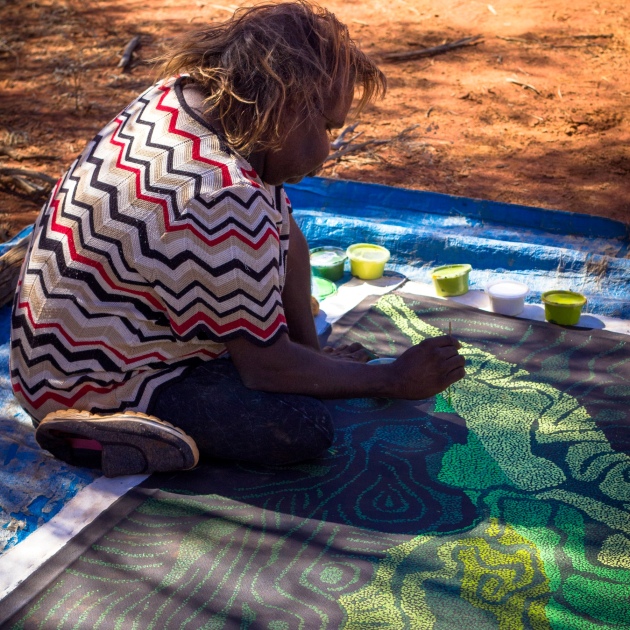
Cynthia Burke And Her View From The Sky
Cynthia is a landscape painter from the Warakurna community. She learned to paint from her mother, the late well-known painter Jean Burke. Cynthia’s work celebrates her love of aerial views of the land from a plane. This will be Cynthia’s first solo exhibition at Japingka and features 13 of her favourite pieces. Here, she talks…
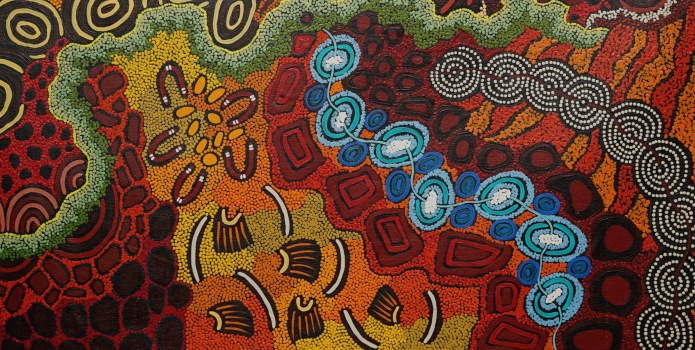
Australian Aboriginal Art Symbols and their Meanings
David Wroth, Director of Japingka Aboriginal Art Gallery, provides a perspective on the use of symbols in Aboriginal art, and introduces Indigenous Australian artists talking about how they use symbols in their own work. Most people will recognise Aboriginal art symbols as being an integral part of Aboriginal artworks, even from the very first exhibition…
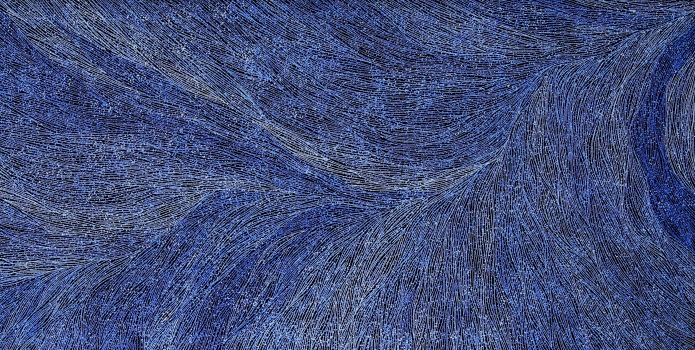
Water in Aboriginal Art – the Centre of Life
Water Dreaming by Sarrita King – Jap 012007 One of the great recurring stories in Aboriginal art is the location and presence of water on traditional lands. Over the vast land mass of the Australian continent, much of the country is in dry and water-deprived condition for large parts of the year. Throughout the different…
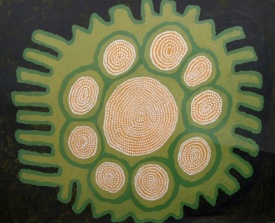
New Aboriginal Art Education Resource For Schools
We’re excited to be launching our new Aboriginal Art Education Resources page for teachers and educators. The page is designed to make our resources accessible and useful for teachers who want to present lessons that incorporate Aboriginal art. This might be to teach about aspects of Aboriginal art, or where artworks might help illustrate broader…
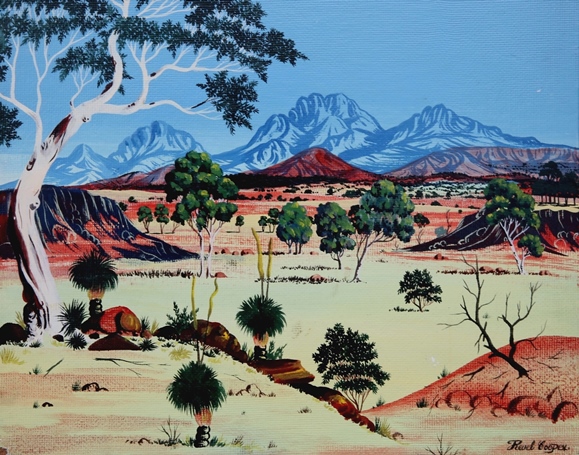
The Carrolup School and Australian Landscape Painting
The Carrolup School emerged in Western Australia as a distinctive landscape tradition of painting created by school aged Aboriginal children in the 1940s. Its elements of romantic depiction of the bush and bush life may well reflect the needs of the child artists who were removed from their Aboriginal families under government policy. The tradition…
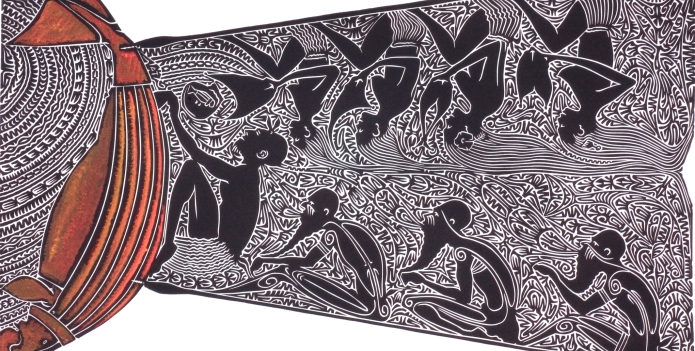
Art in the Torres Strait Islands
The Torres Strait Islands, located off the coast of the northernmost tip of Queensland, are 274 islands that made up a historically busy intersection of trading and exploring. Trade with visitors from Europe and Asia was a key part of island life, with Japanese, Papua New Guineans and Malaysians regularly visiting, and a major Cambridge…
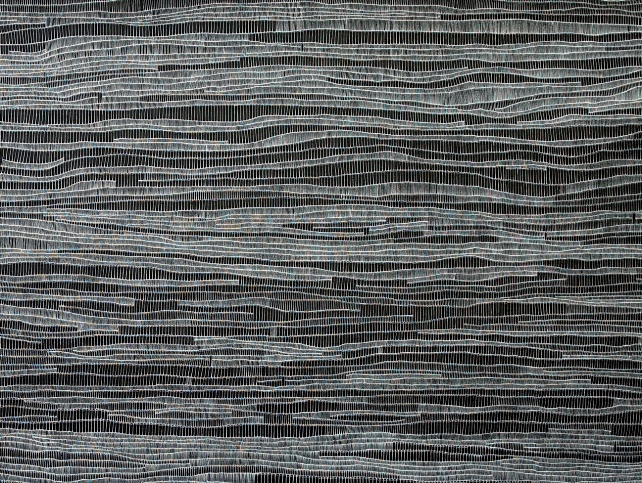
Kerry McCarthy: Grandfather’s Song & The Janet Holmes à Court Collection
Kerry Madawyn McCarthy is an Aboriginal artist from Daly River in the Northern Territory. On the eve of her second solo exhibition at Japingka, she talks here about the influence of her grandfather and what painting means to her. You’ve had some good news? Yes. I’ve been told by Ian and David that my feature…
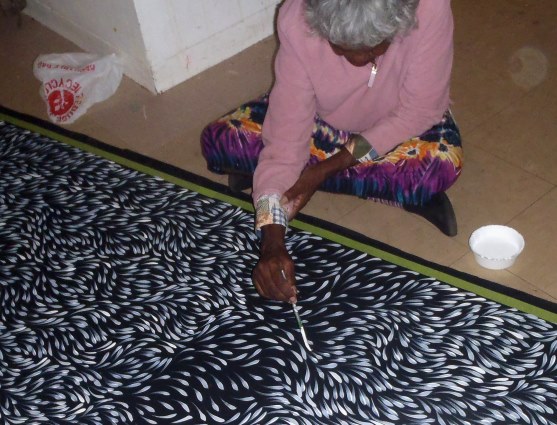
Aboriginal Art Movement at Utopia
Utopia has become known as one of the most diverse and most independently operating groups of artists working from communities in Central Australia. The Utopia Homelands are adjacent to the traditional lands of the Eastern Anmatyarre and Alyawarre people, about 270 km north-east of Alice Springs. This area of 1800 square kilometres was named Utopia…
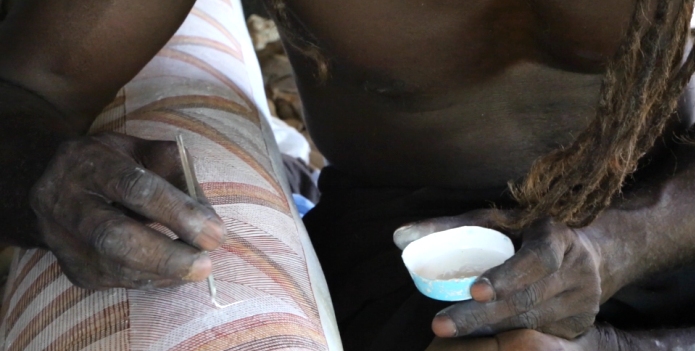
Art Centres in Arnhem Land
Arnhem Land in the Northern Territory’s north east region is a remarkable landscape dominated by rocky outcrops and ranges that are home to some of Australia’s greatest heritage-listed Aboriginal rock art sites. These vast galleries of ochre paintings are amongst the oldest and most diverse rock art in the country, and amongst the oldest art…
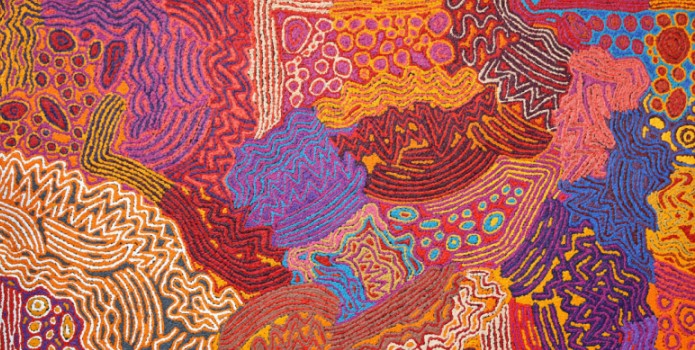
Desert Art comes to Yuendumu
Early colourful forays into acrylic painting began at Yuendumu in the early 1980s when women were provided with art materials by anthropologists researching women’s body-painting. In 1983 male elders were invited to paint Jukurrpa Dreaming stories on the doors of the school, with the purpose of sharing cultural knowledge with young Warlpiri children. One of…
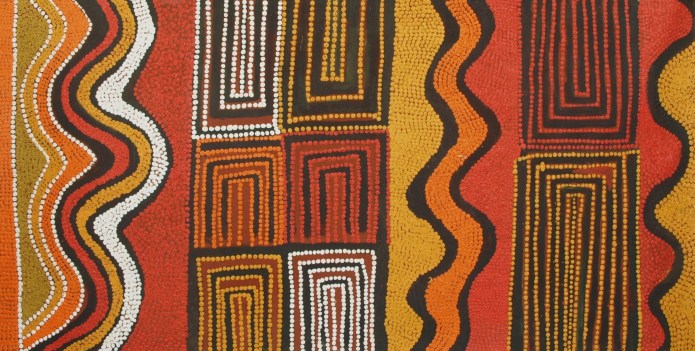
Artists at Balgo
Balgo, located on the western edge of the Tanami Desert in the far north of Western Australia was established as a Catholic Mission in 1939. The settlement brought together diverse tribal groups from the western edge of the desert, a mix of different languages, traditions and ceremonial practices. These groups included Kukatja, Walmajarri, Warlpiri, Pintupi,…
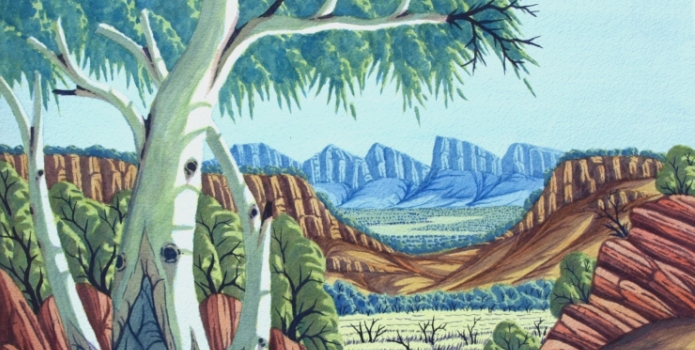
Albert Namatjira & the Hermannsburg School
For many Australians whose exposure to Aboriginal art was prior to the 1970s, the name of Albert Namatjira (1902-1959) is likely to nominate the first famous Aboriginal artist they would recognise. Albert Namatjira held his first exhibition in Melbourne in 1938 and his fine watercolour paintings of the dramatic Australian landscapes around his home community…
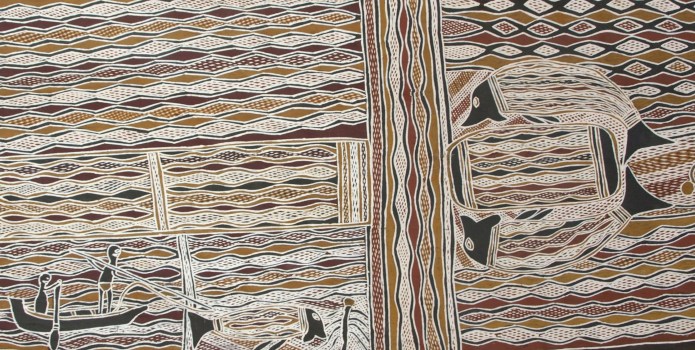
Aboriginal Bark Paintings
The bark paintings of Arnhem Land were responsible for shaping many people’s visual experience of Aboriginal Art prior to 1970. Coastal Arnhem Land had a plentiful supply of stringybark trees, and in the right season, large sheets of bark could be cut from the tree trunks and then cured and flattened over a fire. Once…
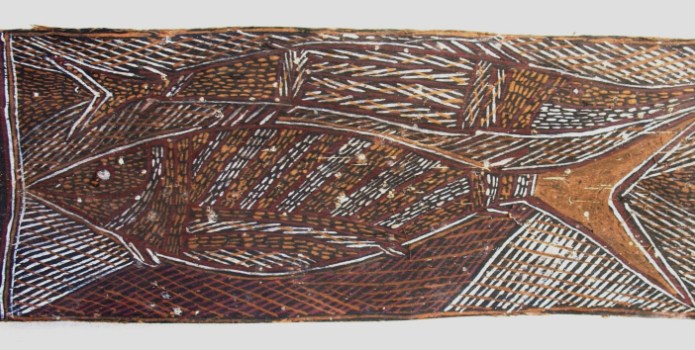
The World’s Oldest Continuous Living Culture
The idea that an ancient art form can be both timeless and contemporary is a challenge to our understanding of the progress of culture and ideas. But Aboriginal art has emerged from its timeless connection to the Australian landscape and its first inhabitants, to be seen by the wider world during the past forty years…
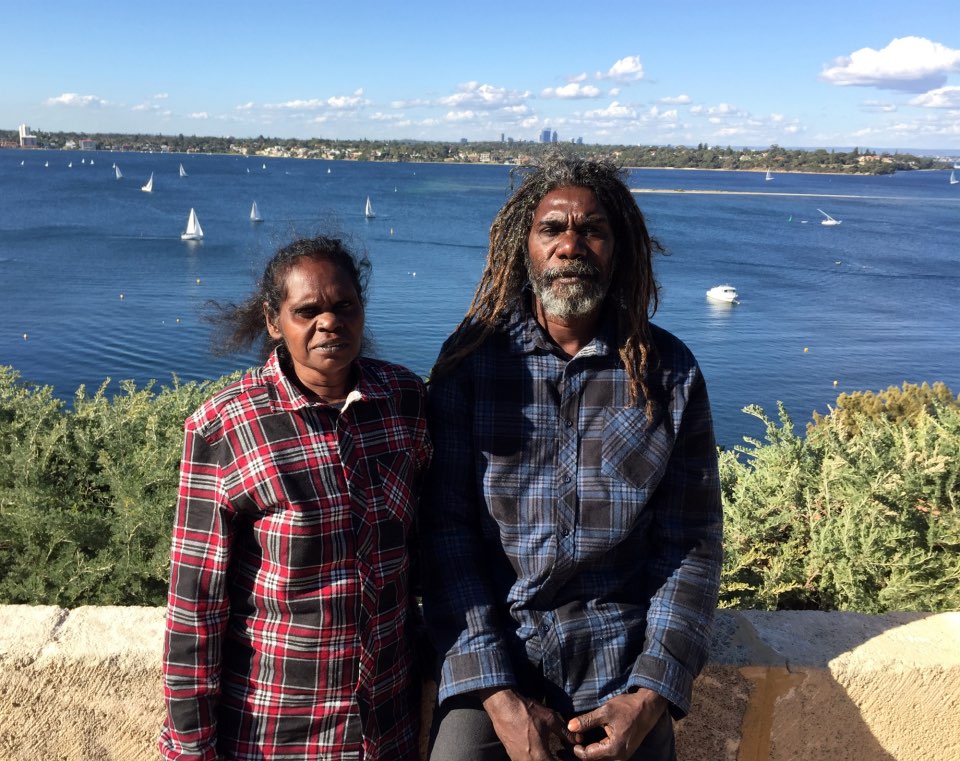
Film Sparks Youth Interest In Art From Hamish Garrgarrku
April 2, 2015 by David Wroth Film maker Natalie Carey is making a documentary about Hamish Garrgarrku (formerly Karrkarrhba) and his work. We were delighted to have Natalie with us for the launch of Hamish’s first solo exhibition here at Japingka Gallery. In this interview Natalie chats with us about this video and how it…
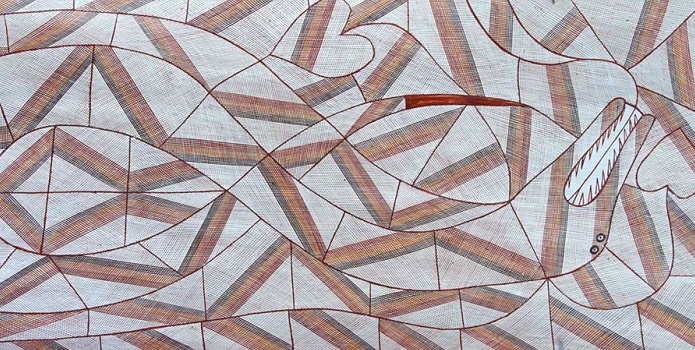
Mimih Sticks, Lorrkons & Bark Paintings – Maningrida Dreaming
This is an interview with Hamish Garrgarrku (formerly Karrkarrhba) on the day of the opening of his first solo exhibition at Japingka Gallery, Fremantle. Hamish is a Maningrida artist, growing up in Mumeka on the Mann River in West Arnhem Land. Hamish was guided in his art and learned his stories from famous aboriginal artists…
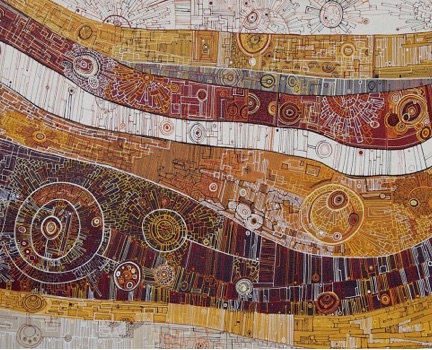
Five Rising Stars on the Australian Art Scene
March 20, 2015 by Ian Plunkett Here are five rising stars in the world of Aboriginal Art that I’d like to draw your attention to. Kerry McCarthy, Rak Balgul – Jap 011689 1. Kerry McCarthy Kerry comes from east of Darwin, near Daly River, and her work is really exciting. We’ve already had one of…
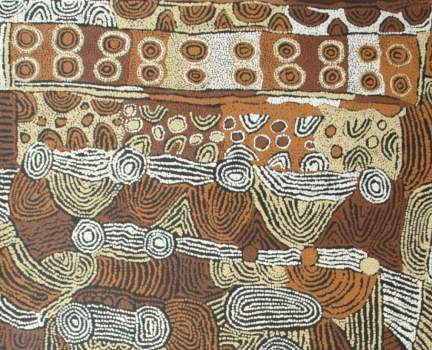
How Songlines Inspire What An Aboriginal Artist Will Paint
Maisie Campbell Napaltjarri – Jap 008412 March 4, 2015 by David Wroth If you love Aboriginal art, you’ve probably heard the term “songlines” before. It’s a fascinating aspect of Aboriginal art – songlines inform an artist’s cultural knowledge as well as inspiring what they paint. To understand what a songline is you first need…
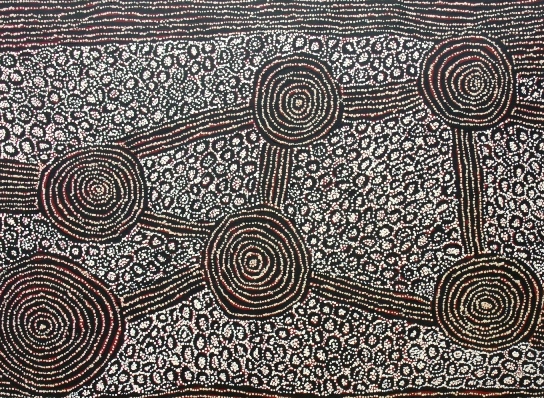
Why Songlines Are Important In Aboriginal Art
Songlines are one of the many aspects of Aboriginal culture that artists draw on for inspiration. They are the long Creation story lines that cross the country and put all geographical and sacred sites into place in Aboriginal culture. For Aboriginal contemporary artists they are both inspiration and important cultural knowledge. In this article, David…
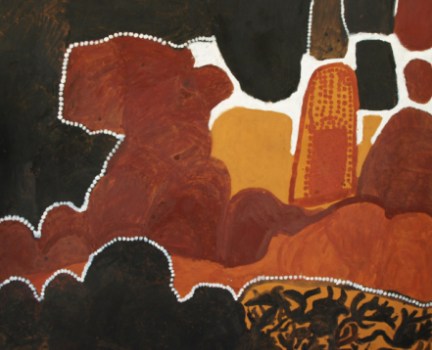
Custodianship In Aboriginal Art
In Western culture artists are free to paint whatever subject they like. People often assume that same principle applies when they look at art in an Aboriginal art gallery. The opposite is usually true. Contemporary Aboriginal artists mostly paint the stories that belong to their family line and to places that their kinship group are…
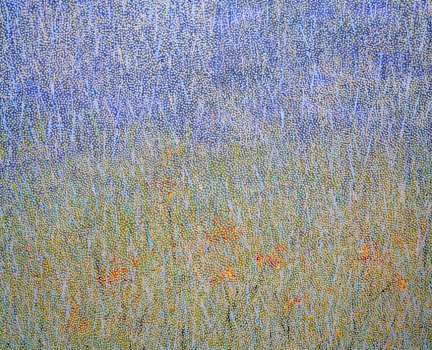
Yinjaa-Barni Show A Softer Side of The Pilbara
We’re just hanging a beautiful new exhibition from the Yinjaa-Barni artists. These fine painters operate out of Roebourne in the Pilbara and the group exhibit here at Japingka about every eighteen months or so. The Yinjaa-Barni artists have their own Art Centre right in the town of Roebourne. The artists are all people who live…
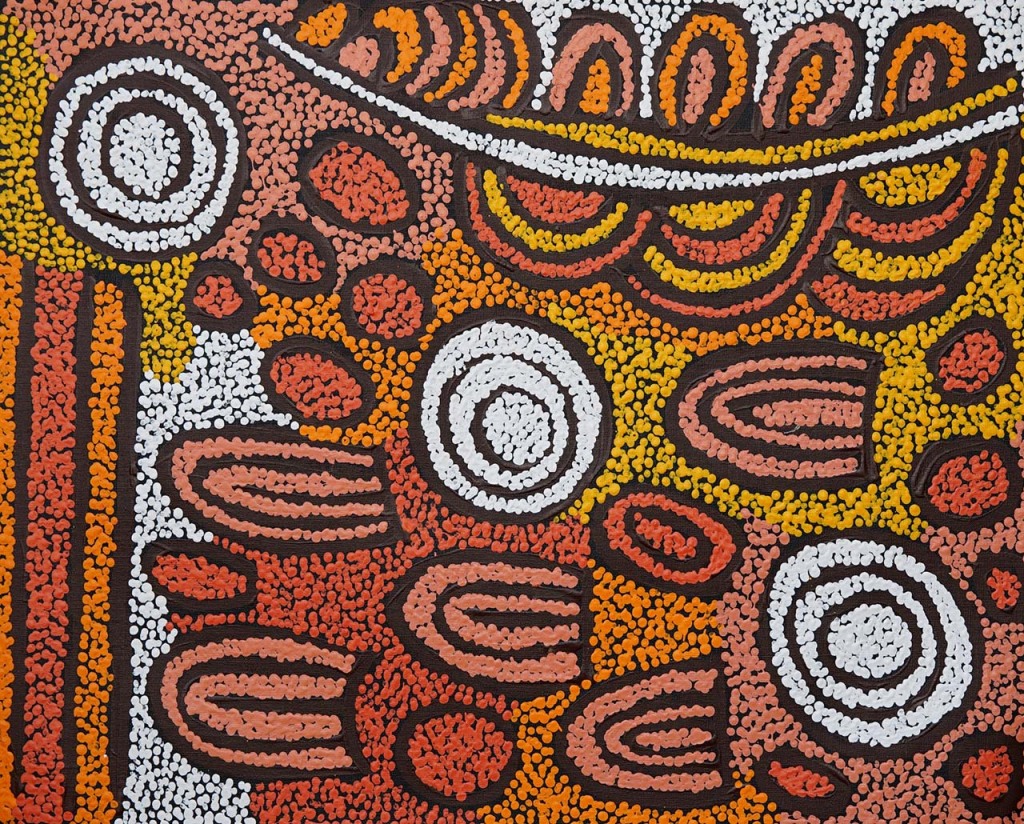
New Affordable Aboriginal Paintings – Recently Arrived
Women’s Ceremony – Narpulla – Jap 011381 January 20, 2015 by David Wroth Pintupi artists Monica Napaltjarri and Narpulla Scobie have painted some beautiful small works which have just recently arrived at the gallery. Monica Napaltjarri uses traditional iconography of the Western Desert and her work features a restrained palette based around earth colours. Her…
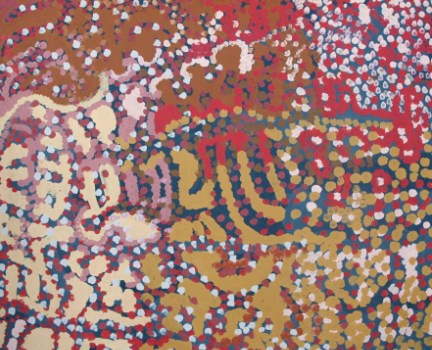
How Aboriginal Colours and Group Art Styles Develop
Do you sometimes recognise a painting style or colour palette and think of a particular Aboriginal community? In this article David Wroth talks about how Aboriginal communities developed their own visual language and colour palette through group interaction. The decisions of each group influenced the development of the style of painting that may be identified…
Marcia Purdie & The Storytellers of Warmun
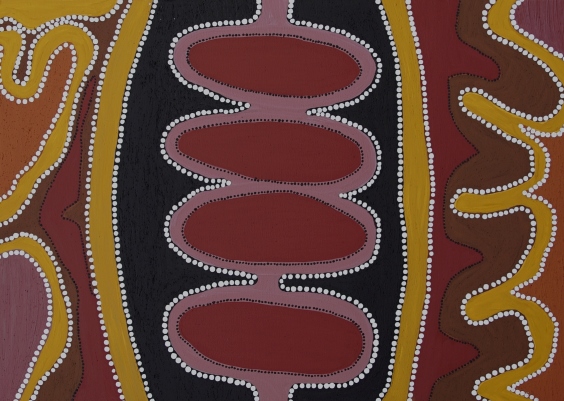
In this interview Marcia Purdie talks about her love and respect for the elders of Warmun. She discusses the influence of her mother-in-law, artist Shirley Purdie, and her memories of Queenie McKenzie. Q. You spent some time with the old people from Warmun, can you tell me a little about what that was like and how…
Rosella Namok’s New Paintings of the Queensland Coast
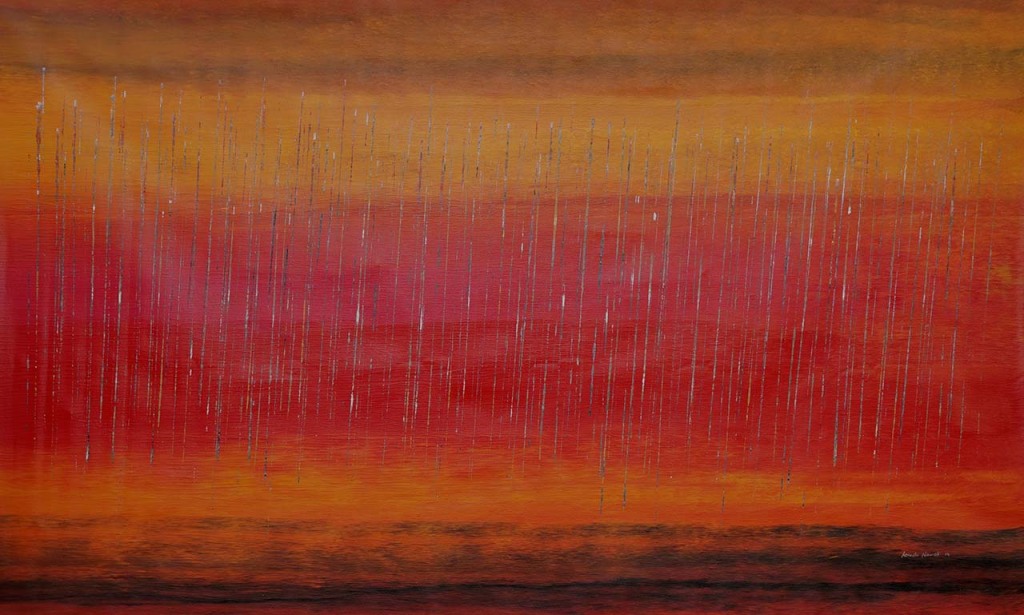
Sunset Rain – Rosella Namok – Jap 011311 December 10, 2014 by Jamie Plunkett The weather is breaking along the north Queensland coast and the Wet season is on its way. Rosella Namok has captured some of the rainy season in Cairns in a new series of paintings that have just arrived at Japingka Gallery.…
Warlpiri Star Gazers Dazzle at Japingka
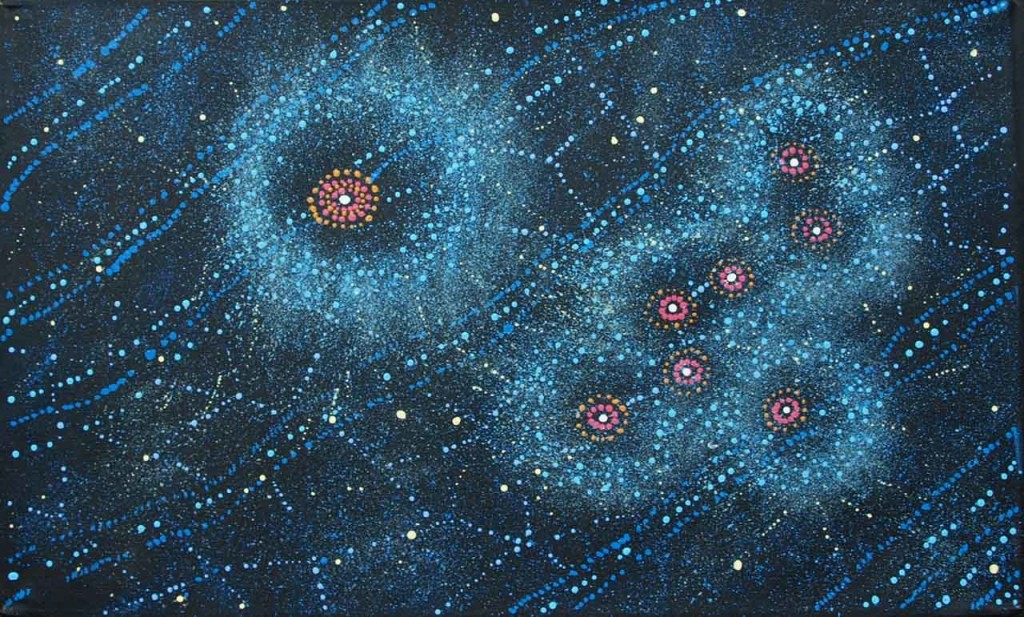
Alma Granites Seven Sisters Dreaming November 19, 2014 by David Wroth It would be fair to say that we’re all a little starstruck right now at Japingka as we’re hanging the paintings for our Warlpiri Star Gazers exhibition. It’s not surprising that the contemporary Aboriginal art movement bought us a number of artists who passionately follow…
The Remarkable Life of Linda Syddick Napaltjarri
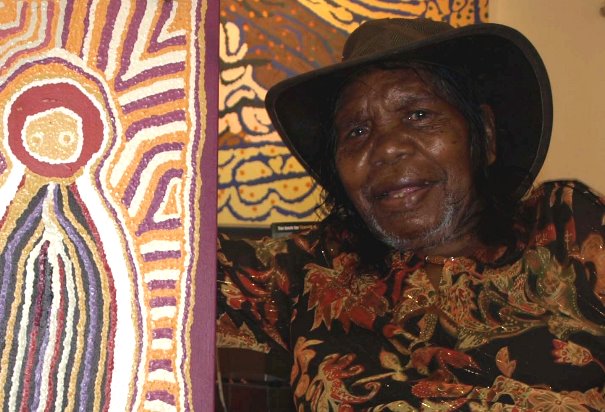
We have an exhibition of works by Linda Syddick Napaltjarri coming up so I thought it might be interesting to talk a little about her life. Linda was born in 1937. She is a Pintupi woman from Lake MacKay in the Gibson Desert in Western Australia. Linda’s Aboriginal name is Tjunkiya Wukula Napaltjarri. She lived a traditional…
How To Use Aboriginal Art In A Workplace Culture
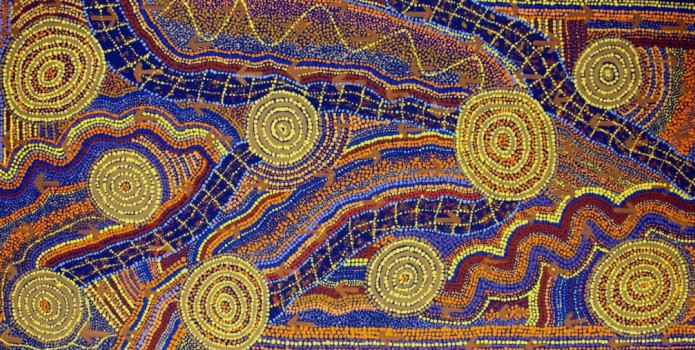
We are fascinated to learn about how aboriginal art resonates with scientific thinkers. For several years biochemist Professor Nadia Rosenthal has been collecting aboriginal art and hanging it in her workplace, the Australian Regenerative Medicine Institute at Monash University. Recently we got to sit down with her and ask about how these paintings contribute to the development…
The Story Behind Star Gazers
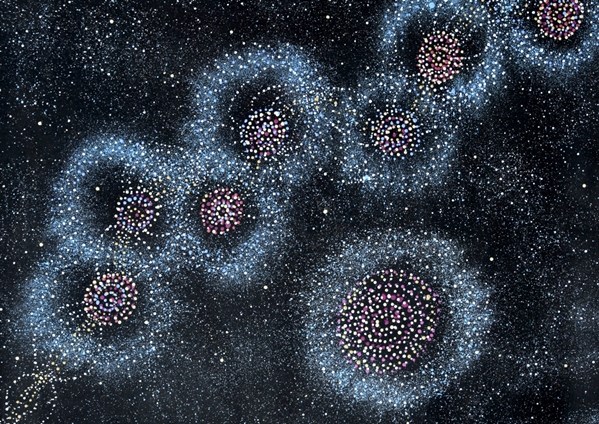
Knowledge of the deep solar system and local Indigenous knowledge of the stars are fused in the current exhibition Shared Sky at the John Curtin Gallery at Curtin University, open until 2nd November. The exhibition is presented in conjunction with Yamaji Art Centre, Geraldton, the international SKA Organisation; SKA-South Africa; SKA-Australia and the First People Centre,…
Indigenous and Endogenous – Cell Biologists and Aboriginal Art?
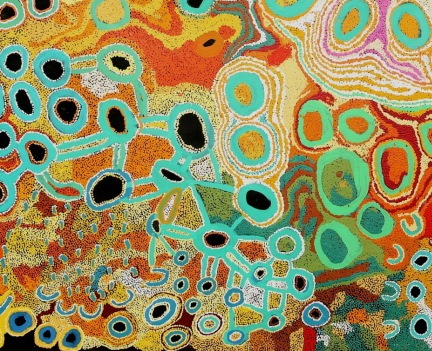
In 2015 Professor Nadia Rosenthal was Founding Director of the newly formed Australian Regenerative Medicine Institute at Monash University. She talks here about what she and other cell biologists see when they look at aboriginal art. She reflects on the connection between the images of cells as seen through a powerful microscope, and the motifs…
Aboriginal Art and a Workplace Culture of Creativity
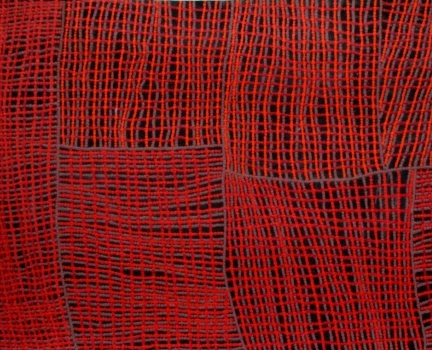
How does art transform a workplace? Professor Nadia Rosenthal was awarded a PhD in 1981 from Harvard Medical School and after a postdoctoral fellowship went on to direct a biomedical research laboratory at the Cardiovascular Research Center at Harvard Medical School. She is a Cell Biologist, and Founding Director of the Australian Regenerative Medicine Institute…
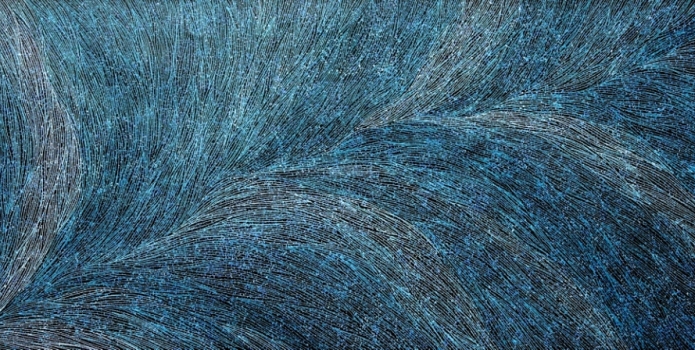
Layers of Meaning in Aboriginal Art
Professor Nadia Rosenthal is Founding Director of the Australian Regenerative Medicine Institute at Monash University. She takes great pleasure in sharing her collection of aboriginal art with her work colleagues at the Institute – in this interview she tells a personal story that illustrates the layers of meaning in aboriginal art. The first time I…
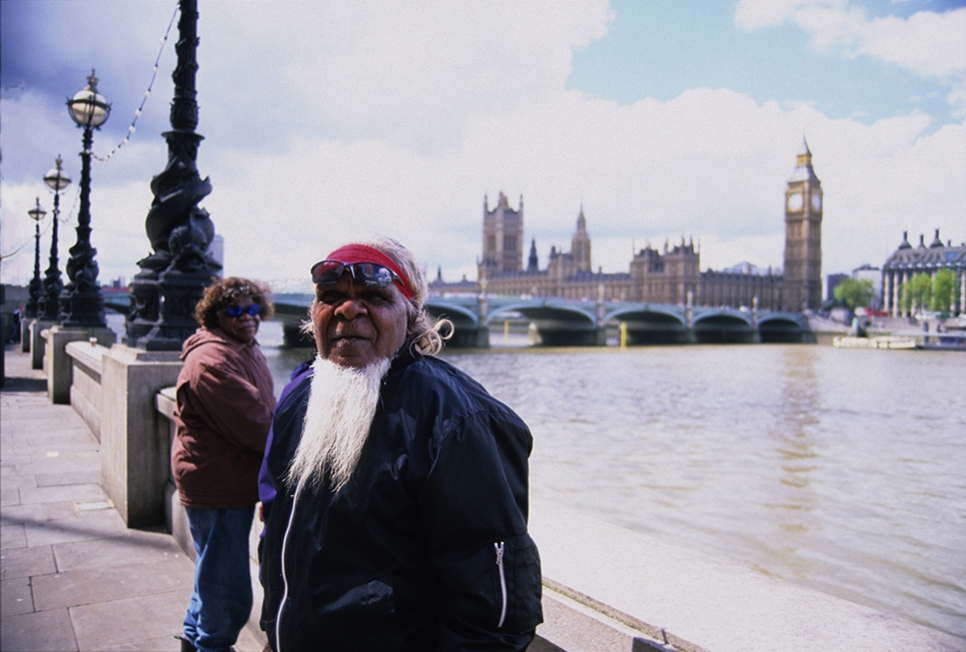
Spinifex Artists are a Special Group of Desert Painters
The Spinifex artists have returned for their latest exhibition at Japingka Gallery, where they first began exhibiting in 2002. From their homelands in the Great Victoria Desert, the Spinifex people were displaced at the time of the Maralinga nuclear tests during the 1950s and 1960s. Returning to their traditional country had been a cherished goal…
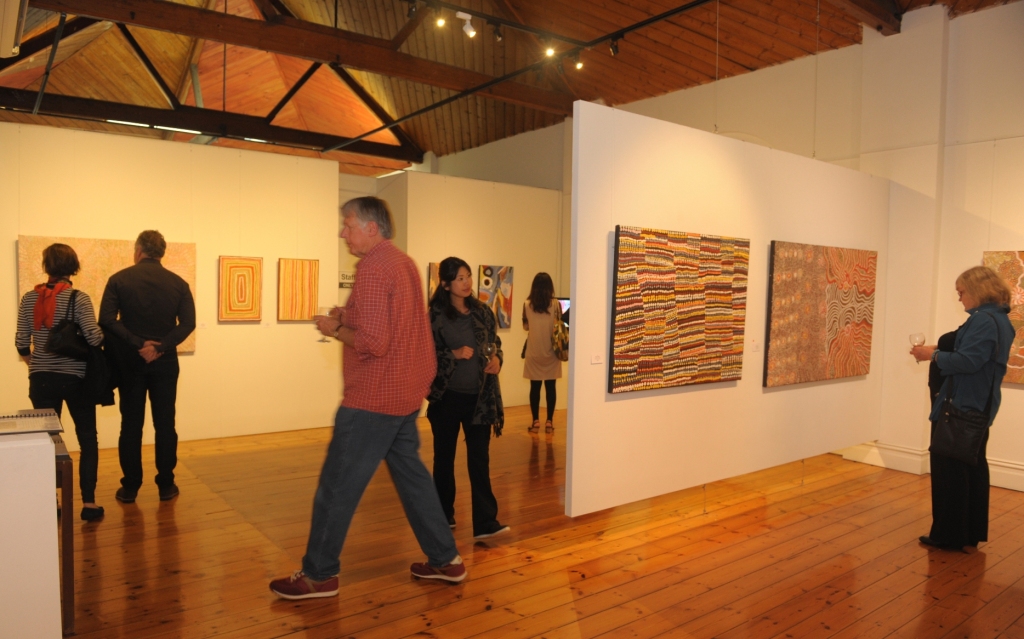
Iwantja Artists Exhibition – Successful Conclusion
Congratulations to Iwantja artists for their high quality exhibition presented during September. Paintings have found new homes in USA, Malaysia, Canada and Israel, as well as cities across Australia. Iwantja is at a relatively early stage of setting up its artists’ reputations, so this response is very gratifying. With twelve artists exhibiting from this small…
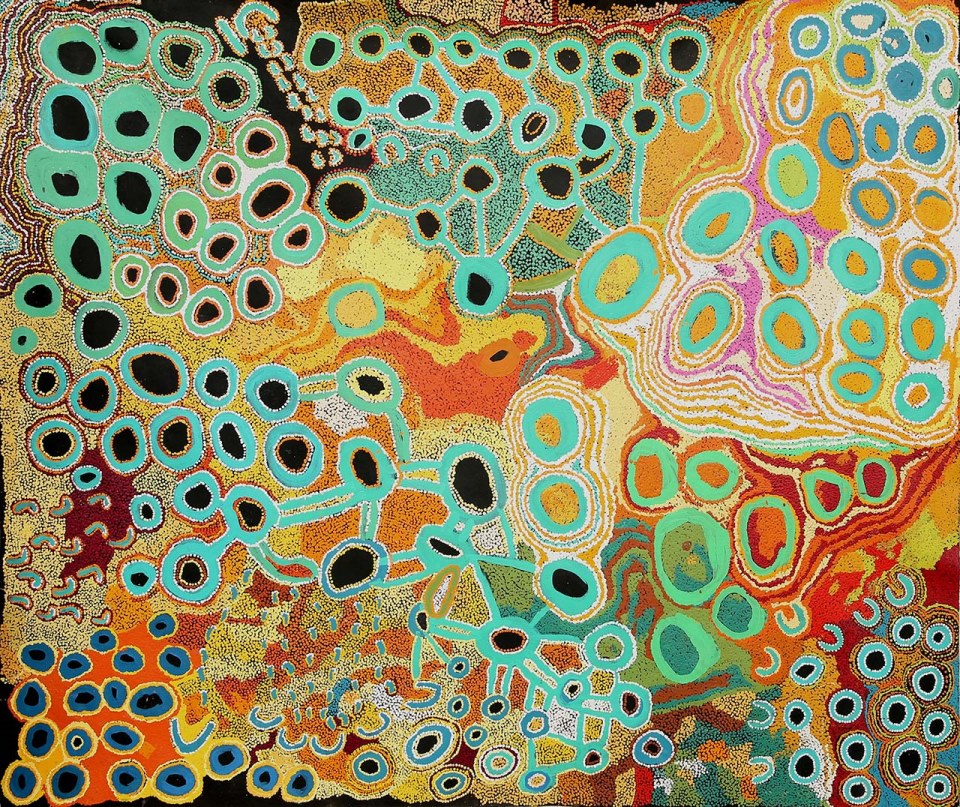
Here’s Our New Exhibition From The Spinifex Arts Project
Myrtle Pennington | Kanpa. Spinifex Arts Project Jap 011059 There’s so much excitement here at as we prepare for the new show by the Spinifex Arts Project. These works are so powerful and vibrant. It’s easy to see why they’re enjoying so much international success right now. In the last year they’ve had successful shows in Germany and…
Collector Stories – Julie Fowell & Tony Brenton
In this discussion, art collectors Julie Fowell and Tony Brenton talk with Jody Fitzhardinge from Japingka Gallery. Q: When did you first get interested in art? Julie: I was teaching in UWA and I met a student who was the daughter of local art dealers. They were also collectors and gallery owners. Her experience growing…