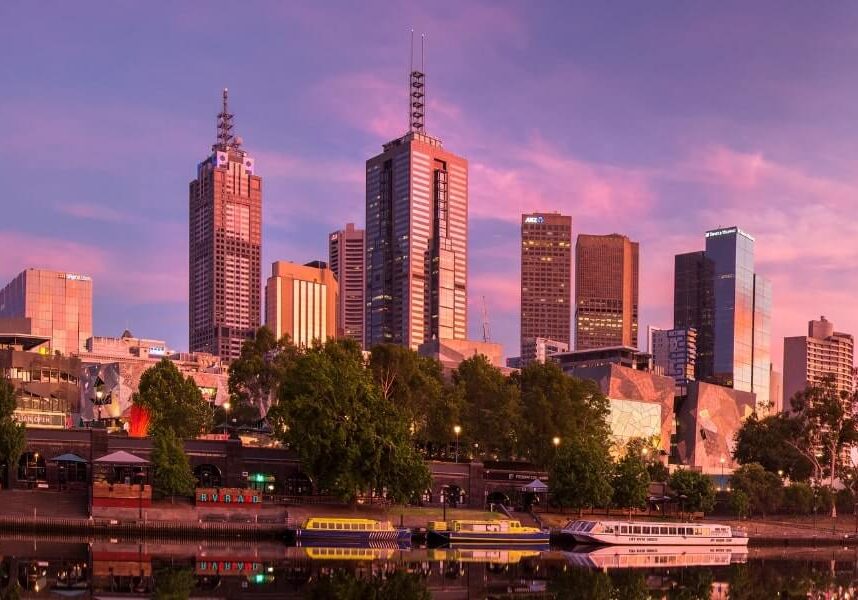
Aboriginal Art in Melbourne
Here is a range of galleries and museums where you can view Aboriginal art in Melbourne. Known for its diverse art scene, Melbourne offers a unique window into the world of Aboriginal art, showcasing its profound depth and stunning diversity. From prestigious galleries to intimate local exhibits, this guide will take you on a journey through the heart of Melbourne’s artistic landscape, where the ancient traditions and contemporary expressions of Australia’s Aboriginal Artists come to life. Whether you’re an art aficionado or a curious explorer, this guide promises to enlighten and inspire as you discover the captivating world of Aboriginal art in Melbourne.If you are looking to purchase, you can order online direct from Japingka and have your works delivered to you anywhere in Melbourne or Victoria.
Alcaston Gallery
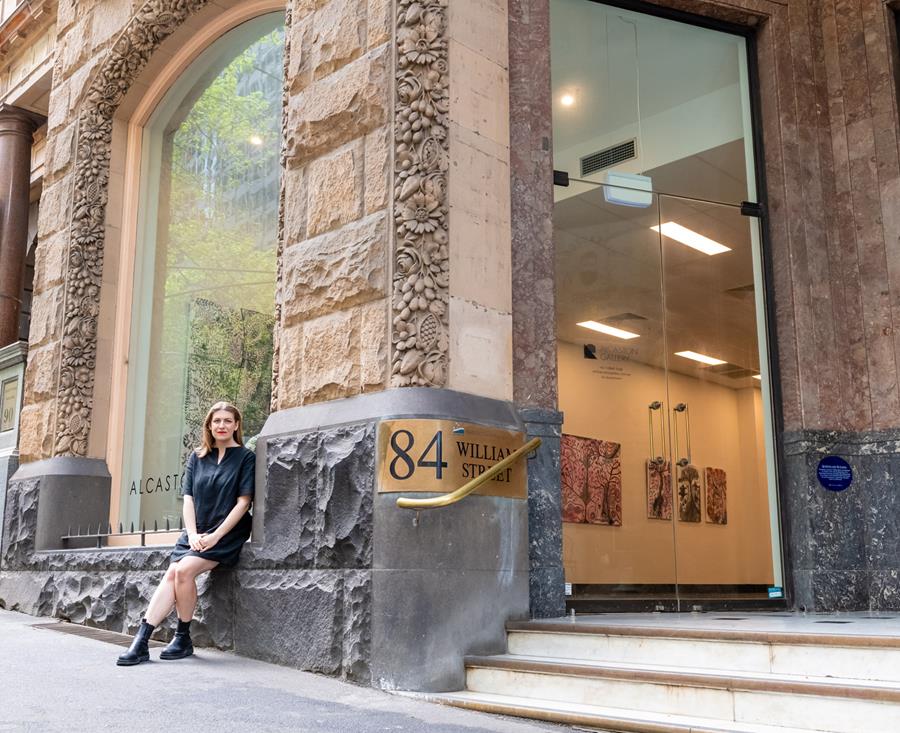
Alcaston Gallery in Melbourne, Australia, has been a prominent force in promoting Indigenous Australian art since 1989. Known for its commitment to diverse Aboriginal art forms, the gallery showcases both traditional and contemporary works, providing a deep insight into Aboriginal heritage and modern themes. Hosting significant exhibitions featuring artists like Kitty Kantilla and Ginger Riley Munduwalawala, Alcaston Gallery has become a crucial platform for both established and emerging Aboriginal artists. Through its exhibitions, the gallery plays a key role in enhancing the appreciation and understanding of Indigenous Australian art in the national and international art scenes.
Image: Alcaston Gallery
Visit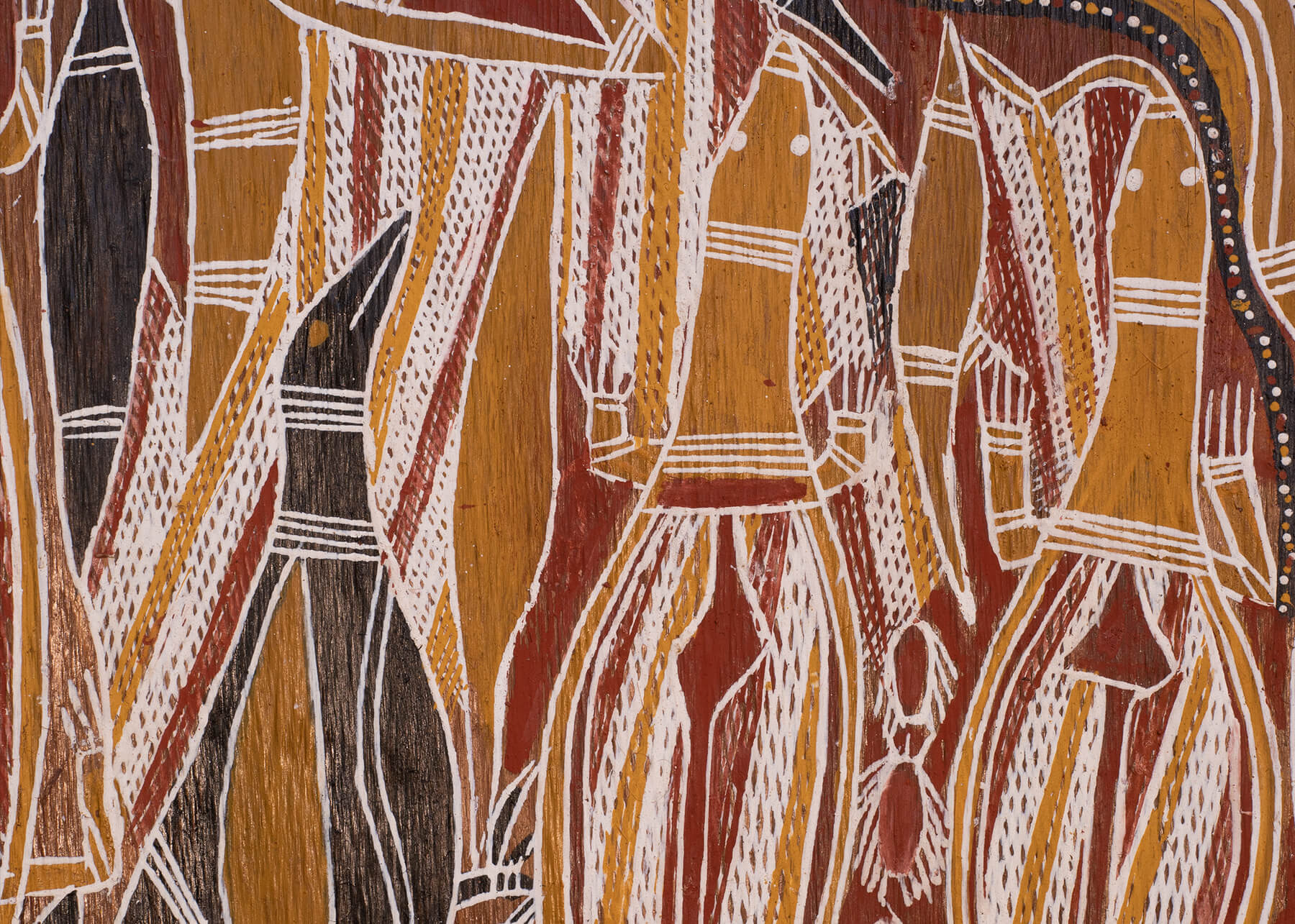
ArtOceanic
ArtOceanic, an Australian gallery, is renowned for its focus on Oceanic and Indigenous Australian art, offering a mix of traditional and contemporary artworks. The gallery has established a reputation for showcasing diverse artistic expressions, from traditional Oceanic carvings and Aboriginal bark paintings to modern interpretations by emerging artists. Its exhibitions, including those featuring prominent Aboriginal artists, have been instrumental in highlighting the evolution and cultural significance of Oceanic and Aboriginal art, making ArtOceanic a vital destination for art enthusiasts and collectors interested in the region’s rich artistic heritage.
Image: Sacred waterhole by Mick Magani. Image via ArtOceanic.
Visit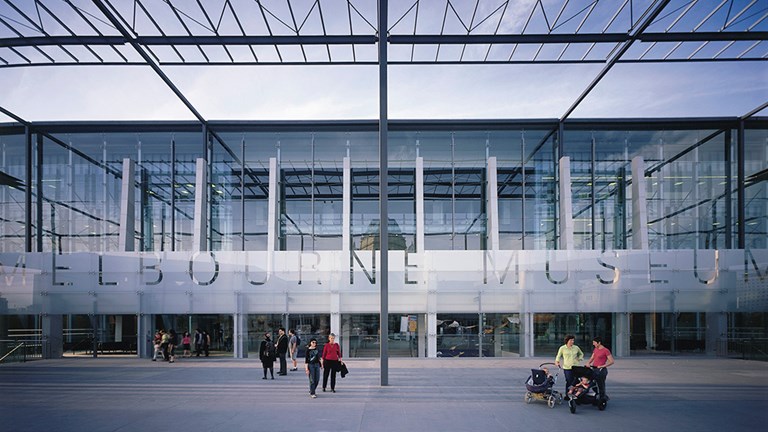
Bunjilaka Aboriginal Cultural Centre
Bunjilaka Aboriginal Cultural Centre, located within the Melbourne Museum, is an esteemed institution showcasing the art and culture of Victoria’s Aboriginal peoples. Renowned for its comprehensive exhibitions, the Centre offers insights into both historical and contemporary Aboriginal life and traditions. Its recent focus on contemporary Aboriginal art provides a platform for Indigenous voices and modern artistic expressions, blending traditional and modern mediums. Through significant exhibitions and collaborations with Aboriginal artists, Bunjilaka plays a crucial role in educating the public and celebrating the evolving narrative of Aboriginal art and culture.
Image: Bunjilaka Aboriginal Cultural Centre
Visit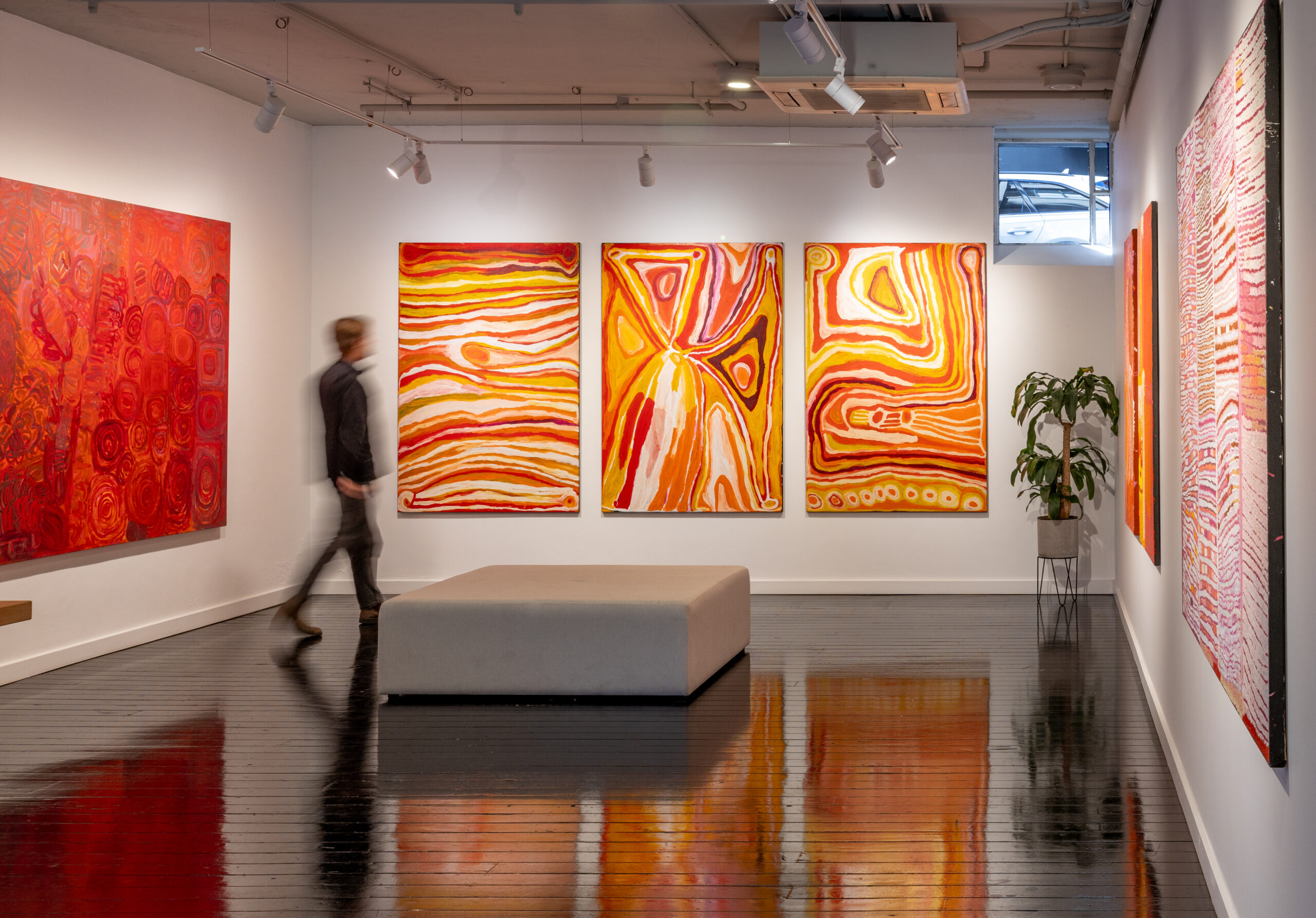
D’lan Contemporary
D’lan Contemporary in Melbourne is a distinguished gallery focused exclusively on contemporary Indigenous Australian art. Known for its curated collections that range from traditional dot paintings to modern abstract works, the gallery showcases the diverse voices and experiences of Indigenous artists. Hosting significant exhibitions featuring renowned artists like Emily Kame Kngwarreye and Gloria Petyarre, D’lan Contemporary has become a key platform for cultural dialogue and the promotion of contemporary Aboriginal art. Its commitment to representing the evolving narrative of Indigenous art has solidified its reputation as a leading destination for art enthusiasts and collectors.
Image: D'lan Contemporary
Visit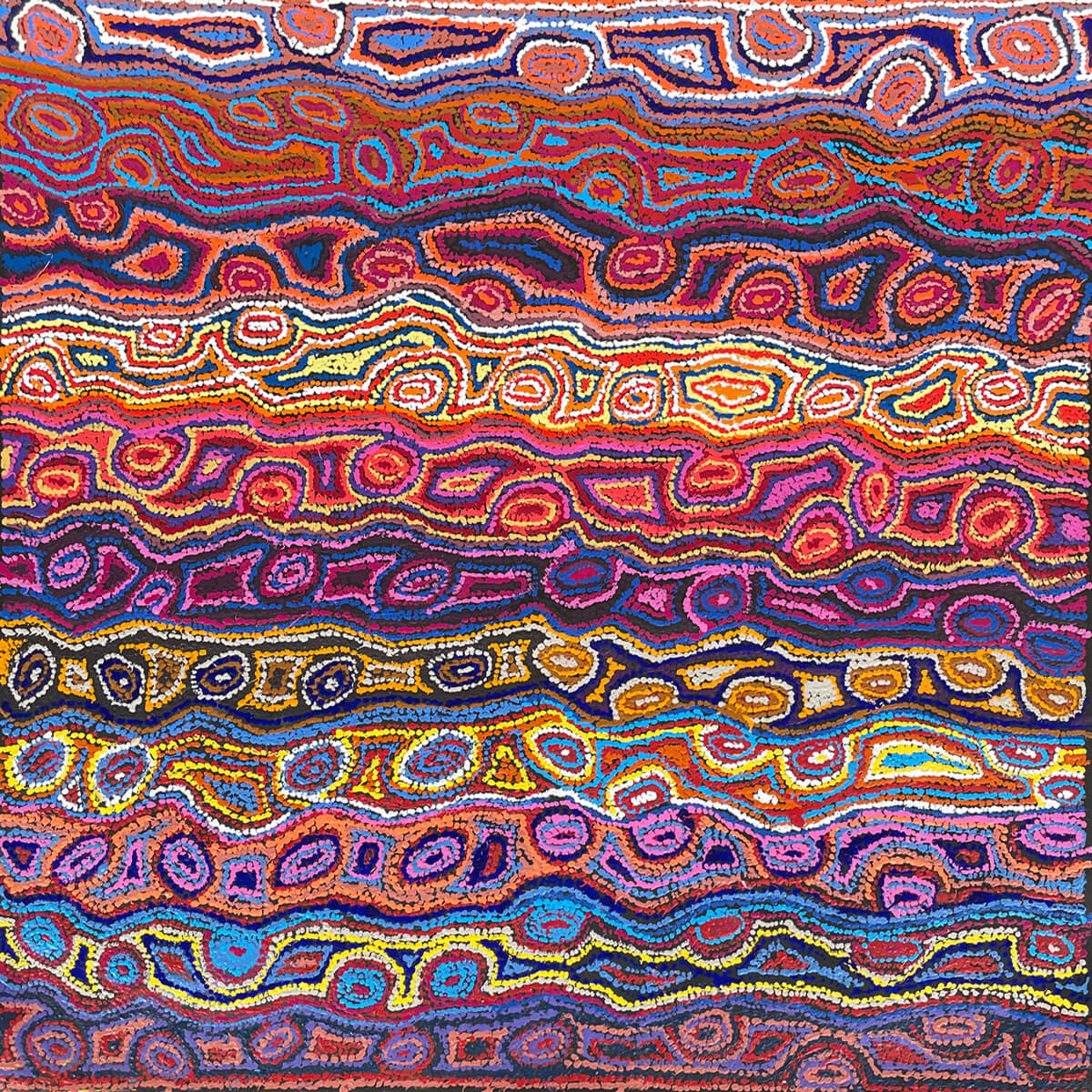
Flinders Lane Gallery
Flinders Lane Gallery, a prominent feature of Melbourne’s art scene since 1989, is celebrated for showcasing a wide array of Australian contemporary art, including works from both established and emerging artists. The gallery has evolved to include significant exhibitions of Australian Aboriginal art, highlighting both traditional and contemporary styles. Through these exhibitions, Flinders Lane Gallery not only celebrates the heritage and visual language of Aboriginal art but also emphasizes its contemporary relevance, thereby enriching the cultural landscape of Australian art.
Image: Lappi Lappi Jukurrpa by Magda Nakamarra Curtis. Image via Flinders Lane Gallery.
Visit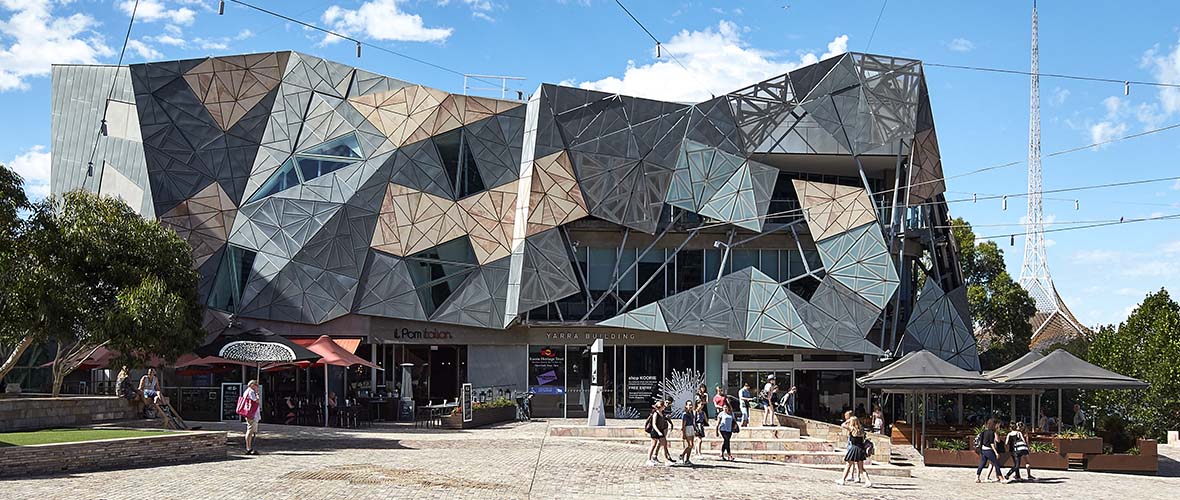
Koorie Heritage Trust
The Koorie Heritage Trust in Melbourne is a pivotal institution that preserves and promotes the art and culture of the Koorie people, the Indigenous inhabitants of southeastern Australia. Established in 1985, it houses a diverse collection of historical and contemporary works, including artifacts, art, and oral histories that reflect the traditional and modern aspects of Aboriginal culture. The Trust has become a significant platform for contemporary Indigenous artists, hosting various exhibitions that explore themes of identity and social issues, thus playing a key role in fostering cultural understanding and appreciation of Indigenous Australian art and heritage.
Image: Koorie Heritage Trust
Visit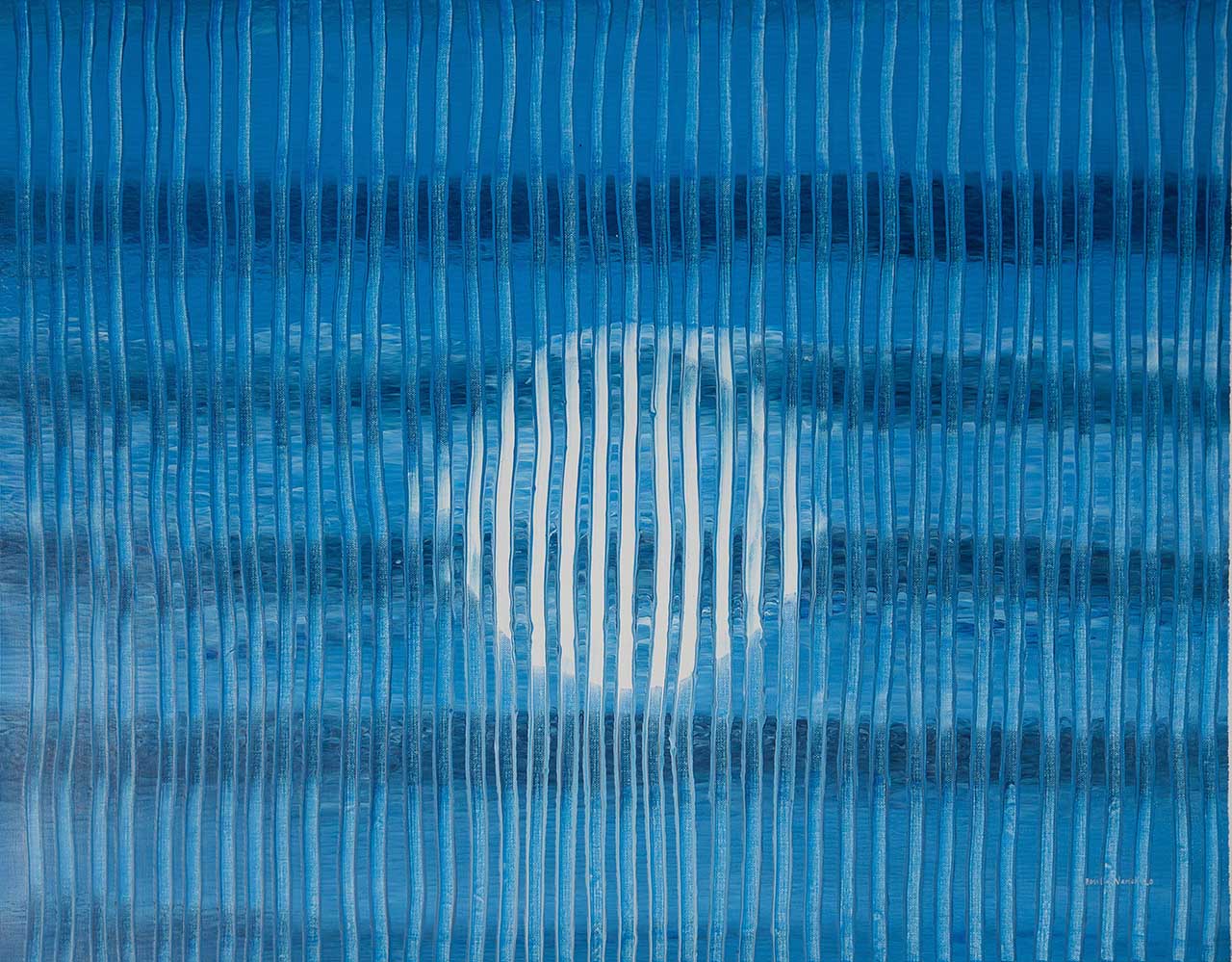
Ochre Gallery
Ochre Gallery Melbourne is a distinguished art space known for showcasing a blend of traditional and contemporary Australian art, with a special emphasis on Indigenous works. The gallery has built its reputation by featuring classic Australian art from renowned artists and contemporary pieces that reflect modern societal themes. It has hosted significant exhibitions of Australian Aboriginal Art, highlighting the unique artistic expressions and cultural narratives of Aboriginal communities. Ochre Gallery’s commitment to representing both the history and the evolving trends of Australian art makes it an important cultural destination in Melbourne.
Image: Full Moon by Rosella Namok. Image via Japingka Aboriginal Art.
Visit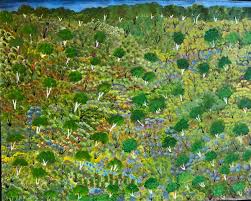
Outback Aboriginal Art
Outback Aboriginal Art in Melbourne is renowned for its dedication to showcasing Indigenous Australian art, presenting a rich collection that spans traditional and contemporary styles. The gallery has built its reputation on traditional Aboriginal artworks like dot and bark paintings, while also embracing contemporary pieces that reflect current social narratives. Hosting significant exhibitions featuring artists like Clifford Possum Tjapaltjarri, the gallery serves as a crucial platform for understanding the cultural heritage and evolving art forms of Australia’s First Peoples, making it a key destination for art enthusiasts and collectors alike.
Image: Country by Ada Beasley. Image via Outback Aboriginal Art.
Visit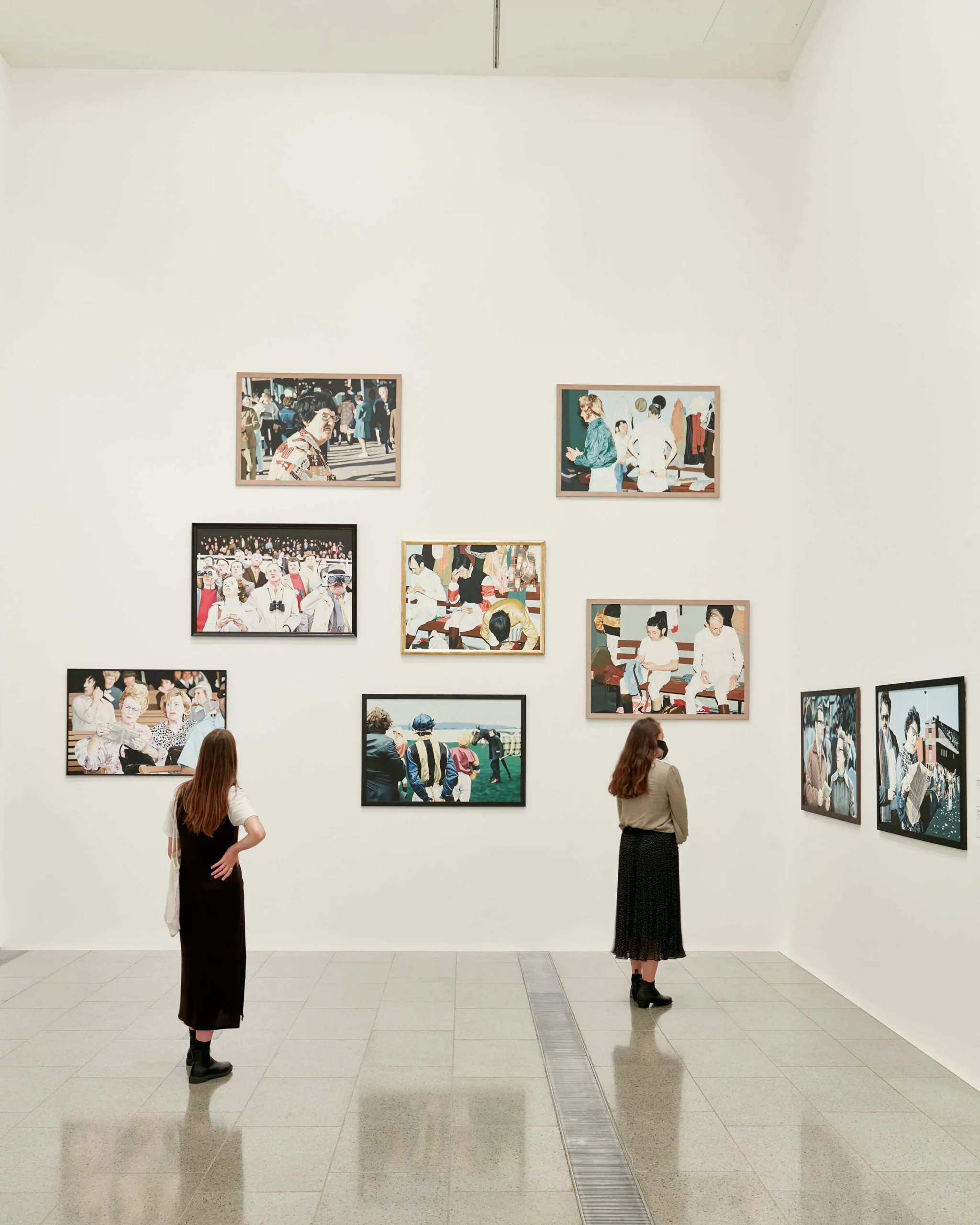
The Ian Potter Centre
The Ian Potter Centre: NGV Australia in Melbourne is a distinguished gallery showcasing the entire spectrum of Australian art, from colonial to contemporary works. It has a strong focus on historical Australian art, offering insights into the nation’s artistic evolution, while also embracing contemporary art that reflects modern societal themes. The Centre is notable for its promotion of Australian Aboriginal Art, hosting significant exhibitions which highlight the cultural richness and diversity of Aboriginal art. This focus makes the Ian Potter Centre a key destination for understanding and appreciating both the history and ongoing evolution of Australian art.
Image: Photo by Tom Ross. Image via The Ian Potter Centre.
Visit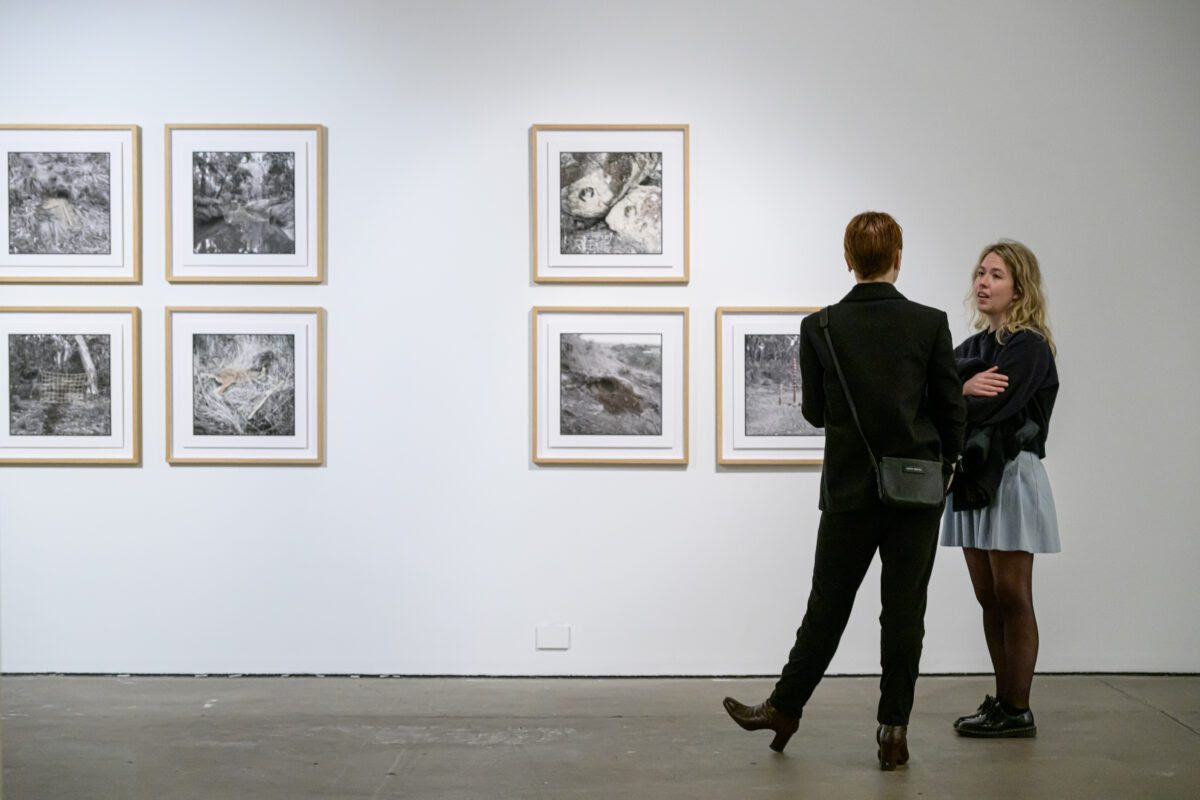
Vivien Anderson Gallery
Vivien Anderson Gallery in Melbourne is an esteemed space dedicated to Australian Aboriginal and Torres Strait Islander art, with over three decades of experience under Vivien Anderson’s guidance. The gallery showcases a wide range of traditional and contemporary Indigenous art, from dot paintings to bold figurative works. Its curated exhibitions feature both established and emerging artists, including notable figures like Lin Onus and Sally Gabori. These exhibitions not only highlight the artistic diversity within Aboriginal communities but also engage with broader socio-cultural themes, making the gallery a crucial platform for understanding and appreciating Indigenous Australian art.
Image: Vivien Anderson Gallery
VisitWhat is Aboriginal art?
Aboriginal art is part of the culture of Australian Aboriginal people who have lived on the Australian continent for over 50,000 years. They represent the longest continuous culture to be found anywhere on earth. Examples of Aboriginal art are found in caves and rock shelters, and the oldest of these have been dated back at least 18,000 years.
When did Aboriginal art start / how old is Aboriginal art?
Aboriginal art is part of the oldest continuous living culture in world history, with Australian Aboriginal people having settled on the Australian continent somewhere between 60,000 and 80,000 years ago. Evidence of Aboriginal culture is found in the rock art, which so far has been dated back at least 20,000 years, while archaeology has dated ancient campsites back to 50,000 to 65,000 years. Contemporary Aboriginal art is considered to start at the desert community of Papunya in 1971, when senior desert men began to paint their cultural stories using modern materials. This was prompted by school teacher Geoffrey Bardon requesting that school children paint their own stories, leading the senior men to open up their deeply held cultural knowledge to outside observers. The Papunya Tula desert art movement then influenced other communities to join the art movement through the following decades.
Where did Aboriginal art come from?
Australian Aboriginal people had two traditional forms of communication. These were oral storytelling and song as well as visual communication through drawing, painting and the use of ceremonial design. There was no written language, however for many survival depended on the ability to remember where food and water sources could be found at different times of the year. Aboriginal artists often paint maps of Country showing important landmarks. They often use an aerial perspective even when they have never been in a plane.
What is “Dreaming” (or “Dreamtime”) in Aboriginal art?
At the heart of Aboriginal culture and therefore of Aboriginal art, is the Creation law set down in the Dreaming, which provides the identity for traditional Aboriginal people and their connection to the land. Dreamtime is one translation of the Creation time for Aboriginal people, other terms often seen are Jukurrpa and Tingari - the term used varies according to the particular local language. Many Aboriginal artists paint aspects of their Dreaming, which forms part of their inheritance and their identity.
Read More: Aboriginal Art and the Dreamtime
Can I learn about specific Dreaming stories (e.g., Seven Sisters, Water Dreaming)?
Yes, Japingka’s guides cover stories like Seven Sisters (Pleiades) and Water Dreaming, explaining cultural context and how artists depict them.
Read More: Aboriginal Dreamtime Stories
What is dot painting and where did it come from?
Australian Aboriginal dot paintings are typical of a style of art works from the Central and Western Desert. They are a medium for telling stories and enlivening culture.
Read More: Aboriginal Dot Painting
Japingka Gallery ships Aboriginal artworks worldwide. View artwork collections.
Countries
Galleries in Australia