Aboriginal Art on the Gold Coast
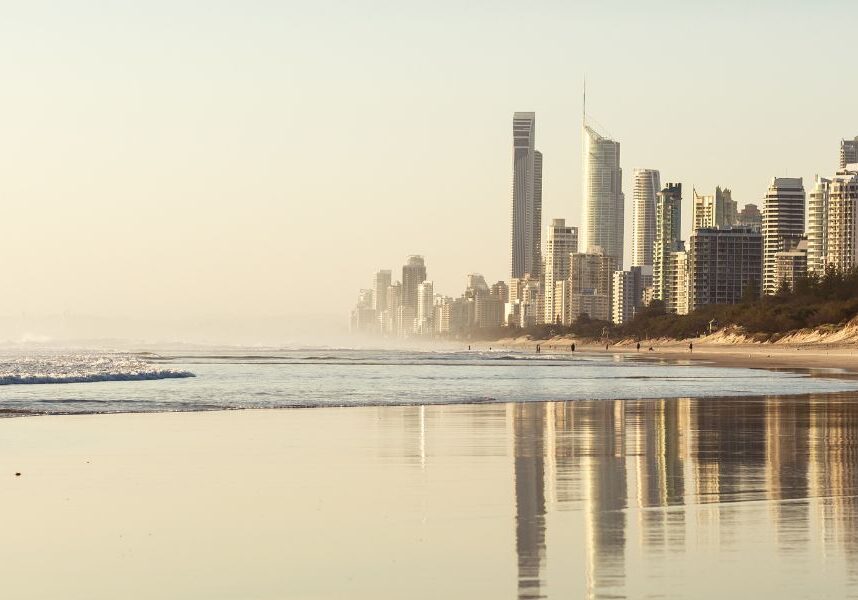
The Gold Coast in Queensland, Australia, is known for its beautiful beaches, especially Surfers Paradise. But beyond the sand and surf, it’s a hub for culture, with galleries that highlight Aboriginal art. This mix of nature and heritage draws art lovers from all over the world.
Home of the Arts (HOTA)
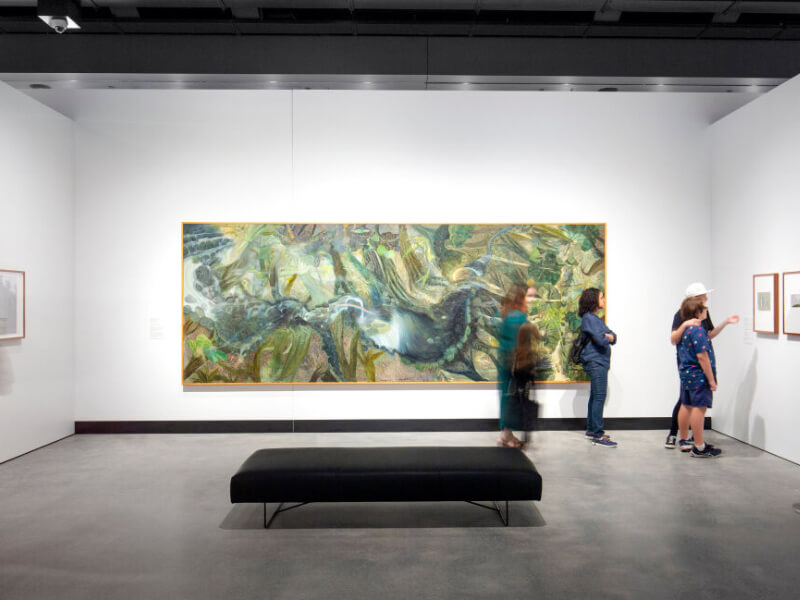
The Home of the Arts (HOTA) on the Gold Coast is a celebrated cultural hub, established in 1968, known for its impressive collection of over 4,400 artworks, including a significant array of Aboriginal and Torres Strait Islander pieces. HOTA’s $60.5 million facility offers a dynamic venue for world-class exhibitions and educational programs, emphasising children’s engagement with art. It regularly updates its exhibits, ensuring a fresh experience with each visit, while its Indigenous program, supported by initiatives like Bond University, hosts a variety of events to celebrate and educate about Aboriginal and Torres Strait Islander art and culture, reflecting HOTA’s commitment to nurturing a deep community appreciation for the rich diversity and history of Indigenous art.
Image: Home of the Arts (HOTA)
Visit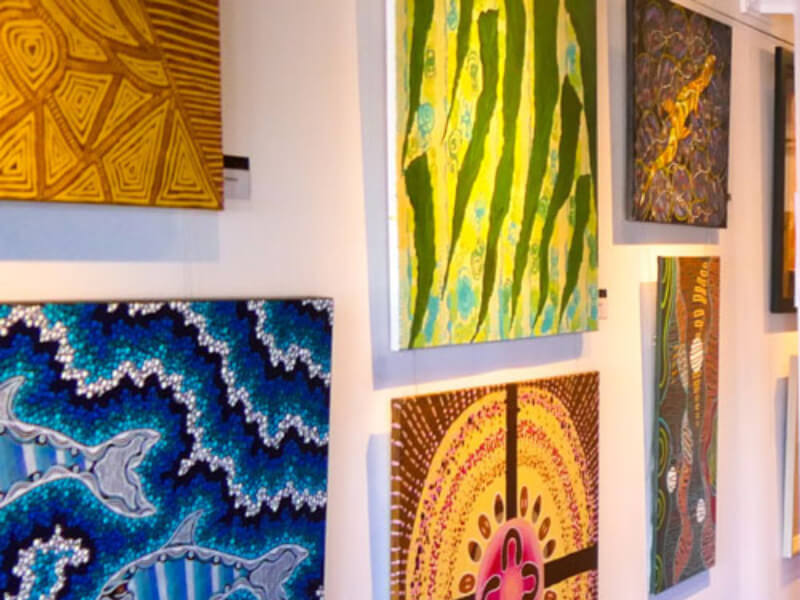
Jellurgal Aboriginal Cultural Centre
The Jellurgal Aboriginal Cultural Centre is a vibrant gateway to the living culture and artistic expressions of the local Aboriginal community on the Gold Coast. As you enter, you’re welcomed by a riot of colours, with an art display that celebrates the work of local Aboriginal artists. The gallery proudly houses small and large canvases that reflect a multitude of subjects and painting techniques, from wildlife depictions like dolphins and goannas to profound Dreamtime stories. Visitors are also treated to wearable art, featuring unique jewellery pieces from local creators, showcasing the diverse artistic talents of the community. The Centre not only displays these works but also offers them for sale, allowing guests to own a piece of authentic, one-of-a-kind Aboriginal art.
Image: Jellurgal Aboriginal Cultural Centre
VisitWhat is Aboriginal art?
Aboriginal art is part of the culture of Australian Aboriginal people who have lived on the Australian continent for over 50,000 years. They represent the longest continuous culture to be found anywhere on earth. Examples of Aboriginal art are found in caves and rock shelters, and the oldest of these have been dated back at least 18,000 years.
When did Aboriginal art start / how old is Aboriginal art?
Aboriginal art is part of the oldest continuous living culture in world history, with Australian Aboriginal people having settled on the Australian continent somewhere between 60,000 and 80,000 years ago. Evidence of Aboriginal culture is found in the rock art, which so far has been dated back at least 20,000 years, while archaeology has dated ancient campsites back to 50,000 to 65,000 years. Contemporary Aboriginal art is considered to start at the desert community of Papunya in 1971, when senior desert men began to paint their cultural stories using modern materials. This was prompted by school teacher Geoffrey Bardon requesting that school children paint their own stories, leading the senior men to open up their deeply held cultural knowledge to outside observers. The Papunya Tula desert art movement then influenced other communities to join the art movement through the following decades.
Where did Aboriginal art come from?
Australian Aboriginal people had two traditional forms of communication. These were oral storytelling and song as well as visual communication through drawing, painting and the use of ceremonial design. There was no written language, however for many survival depended on the ability to remember where food and water sources could be found at different times of the year. Aboriginal artists often paint maps of Country showing important landmarks. They often use an aerial perspective even when they have never been in a plane.
What is “Dreaming” (or “Dreamtime”) in Aboriginal art?
At the heart of Aboriginal culture and therefore of Aboriginal art, is the Creation law set down in the Dreaming, which provides the identity for traditional Aboriginal people and their connection to the land. Dreamtime is one translation of the Creation time for Aboriginal people, other terms often seen are Jukurrpa and Tingari - the term used varies according to the particular local language. Many Aboriginal artists paint aspects of their Dreaming, which forms part of their inheritance and their identity.
Read More: Aboriginal Art and the Dreamtime
Can I learn about specific Dreaming stories (e.g., Seven Sisters, Water Dreaming)?
Yes, Japingka’s guides cover stories like Seven Sisters (Pleiades) and Water Dreaming, explaining cultural context and how artists depict them.
Read More: Aboriginal Dreamtime Stories
What is dot painting and where did it come from?
Australian Aboriginal dot paintings are typical of a style of art works from the Central and Western Desert. They are a medium for telling stories and enlivening culture.
Read More: Aboriginal Dot Painting
Japingka Gallery ships Aboriginal artworks worldwide. View artwork collections.
Countries
Galleries in Australia