Australian Aboriginal Art in Houston
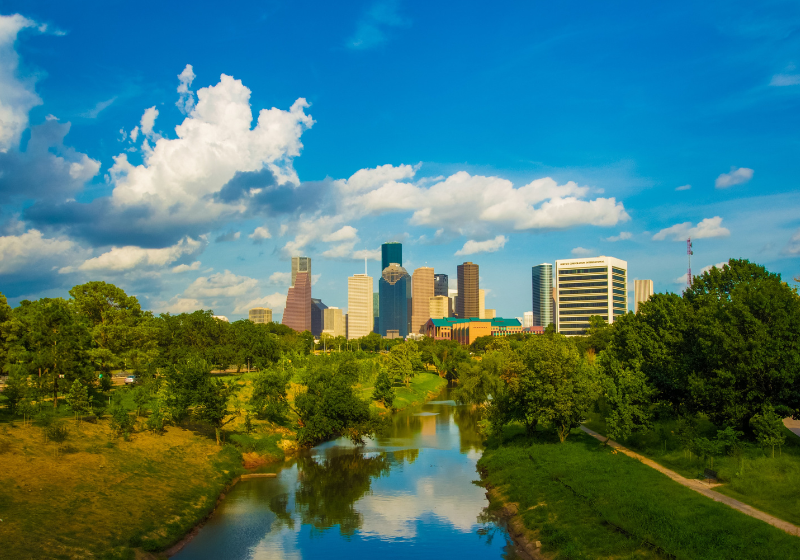
Houston is the largest city in Texas, known for its diverse population, thriving energy industry, and significant role in space exploration as the home of NASA’s Johnson Space Center. The city boasts Aboriginal and Indigenous Art as part of its vibrant arts and cultural scene, including world-class museums, theatres, and a wide range of dining options, reflecting its multicultural heritage.
Museum of Fine Arts, Houston (MFAH)
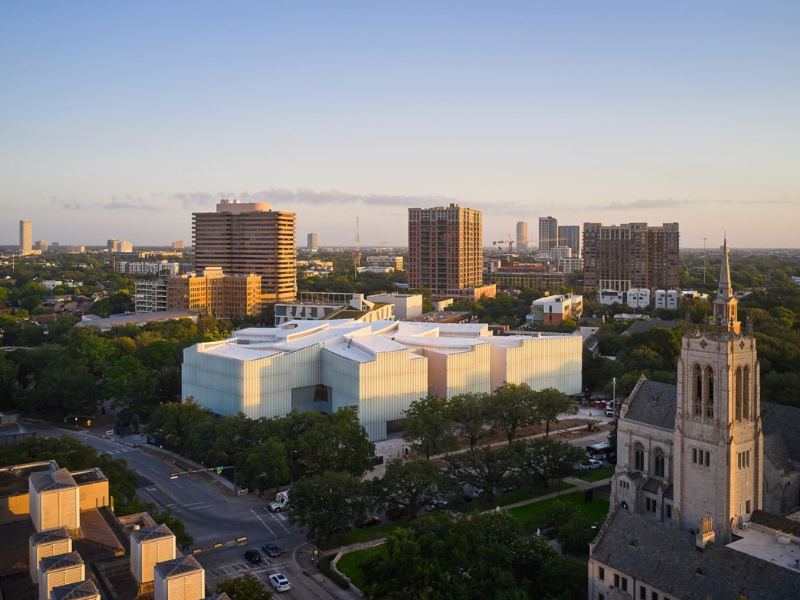
The Museum of Fine Arts in Houston (MFAH) is renowned for its expansive collection, spanning 6,000 years with approximately 70,000 works from six continents, housed within 300,000 square feet of exhibition space. Notably, the Caroline Wiess Law Building exhibits installations of Pacific Island and Australian art, potentially including Australian Aboriginal paintings.
Image: Museum of Fine Arts, Houston
Visit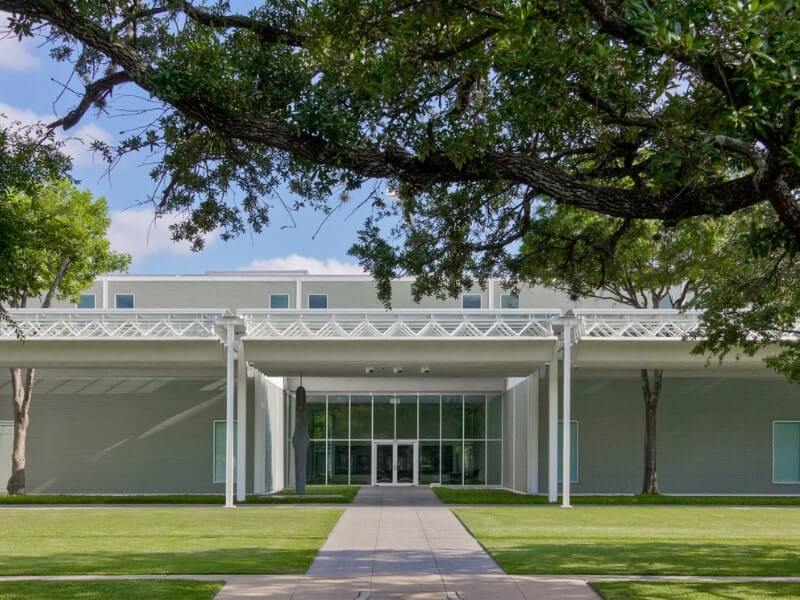
The Menil Collection
The Menil Collection in Houston, acclaimed for its diverse art range, showcases pieces from antiquity to the contemporary era in a serene setting designed by Renzo Piano. Its reputation is enhanced by its Surrealist, modern European, African, and Byzantine artworks. It gained attention for “Mapa Wiya (Your Map’s Not Needed),” which displayed over 100 contemporary Aboriginal works, reflecting the artists’ deep connection to their land. The Menil also enriches cultural understanding through events like discussions on Indigenous Australian culture, reinforcing its role in promoting global arts and dialogue.
Image: Kevin Klieg via The Menil Collection
VisitWhat is Aboriginal art?
Aboriginal art is part of the culture of Australian Aboriginal people who have lived on the Australian continent for over 50,000 years. They represent the longest continuous culture to be found anywhere on earth. Examples of Aboriginal art are found in caves and rock shelters, and the oldest of these have been dated back at least 18,000 years.
When did Aboriginal art start / how old is Aboriginal art?
Aboriginal art is part of the oldest continuous living culture in world history, with Australian Aboriginal people having settled on the Australian continent somewhere between 60,000 and 80,000 years ago. Evidence of Aboriginal culture is found in the rock art, which so far has been dated back at least 20,000 years, while archaeology has dated ancient campsites back to 50,000 to 65,000 years. Contemporary Aboriginal art is considered to start at the desert community of Papunya in 1971, when senior desert men began to paint their cultural stories using modern materials. This was prompted by school teacher Geoffrey Bardon requesting that school children paint their own stories, leading the senior men to open up their deeply held cultural knowledge to outside observers. The Papunya Tula desert art movement then influenced other communities to join the art movement through the following decades.
Where did Aboriginal art come from?
Australian Aboriginal people had two traditional forms of communication. These were oral storytelling and song as well as visual communication through drawing, painting and the use of ceremonial design. There was no written language, however for many survival depended on the ability to remember where food and water sources could be found at different times of the year. Aboriginal artists often paint maps of Country showing important landmarks. They often use an aerial perspective even when they have never been in a plane.
What is “Dreaming” (or “Dreamtime”) in Aboriginal art?
At the heart of Aboriginal culture and therefore of Aboriginal art, is the Creation law set down in the Dreaming, which provides the identity for traditional Aboriginal people and their connection to the land. Dreamtime is one translation of the Creation time for Aboriginal people, other terms often seen are Jukurrpa and Tingari - the term used varies according to the particular local language. Many Aboriginal artists paint aspects of their Dreaming, which forms part of their inheritance and their identity.
Read More: Aboriginal Art and the Dreamtime
Can I learn about specific Dreaming stories (e.g., Seven Sisters, Water Dreaming)?
Yes, Japingka’s guides cover stories like Seven Sisters (Pleiades) and Water Dreaming, explaining cultural context and how artists depict them.
Read More: Aboriginal Dreamtime Stories
What is dot painting and where did it come from?
Australian Aboriginal dot paintings are typical of a style of art works from the Central and Western Desert. They are a medium for telling stories and enlivening culture.
Read More: Aboriginal Dot Painting
Japingka Gallery ships Aboriginal artworks worldwide. View artwork collections.
Countries
Galleries in USA