Australian Aboriginal Art in the United Kingdom
Embarking on a journey through the rich tapestry of Australian Aboriginal Art is akin to exploring a profound narrative woven into the very fabric of Australia’s cultural heritage. For art aficionados in the UK, renowned for its deep appreciation of diverse art forms and its vibrant art scene from the Tate Modern in London to the Scottish National Gallery in Edinburgh, the opportunity to delve into the unique artistry of Australian Aboriginal work is both a rare and enriching experience. This guide is crafted to navigate you through a selection of local galleries and spaces where these exquisite art pieces are celebrated and displayed.
With its historical connections and cultural exchanges with Australia, the UK presents a unique backdrop for exploring Australian Aboriginal art. Just as the British Museum offers a glimpse into the ancient worlds and the Victoria & Albert Museum showcases design and decorative arts through the ages, the galleries featured in this guide provide a window into the ancient stories and rich traditions of Australia’s Indigenous peoples. These spaces, scattered across the country, mirror the diversity and vibrancy found in the Aboriginal art itself, offering insightful perspectives and an immersive experience.
From the heart of London’s bustling art scene to the more tranquil settings in other parts of the UK, these galleries serve as cultural bridges, fostering a deeper understanding and appreciation of Australian Aboriginal art. Join us in exploring these institutions of culture and art, and immerse yourself in the captivating world of Australian Aboriginal creativity.
Galleries in United Kingdom featuring Australian Aboriginal Art
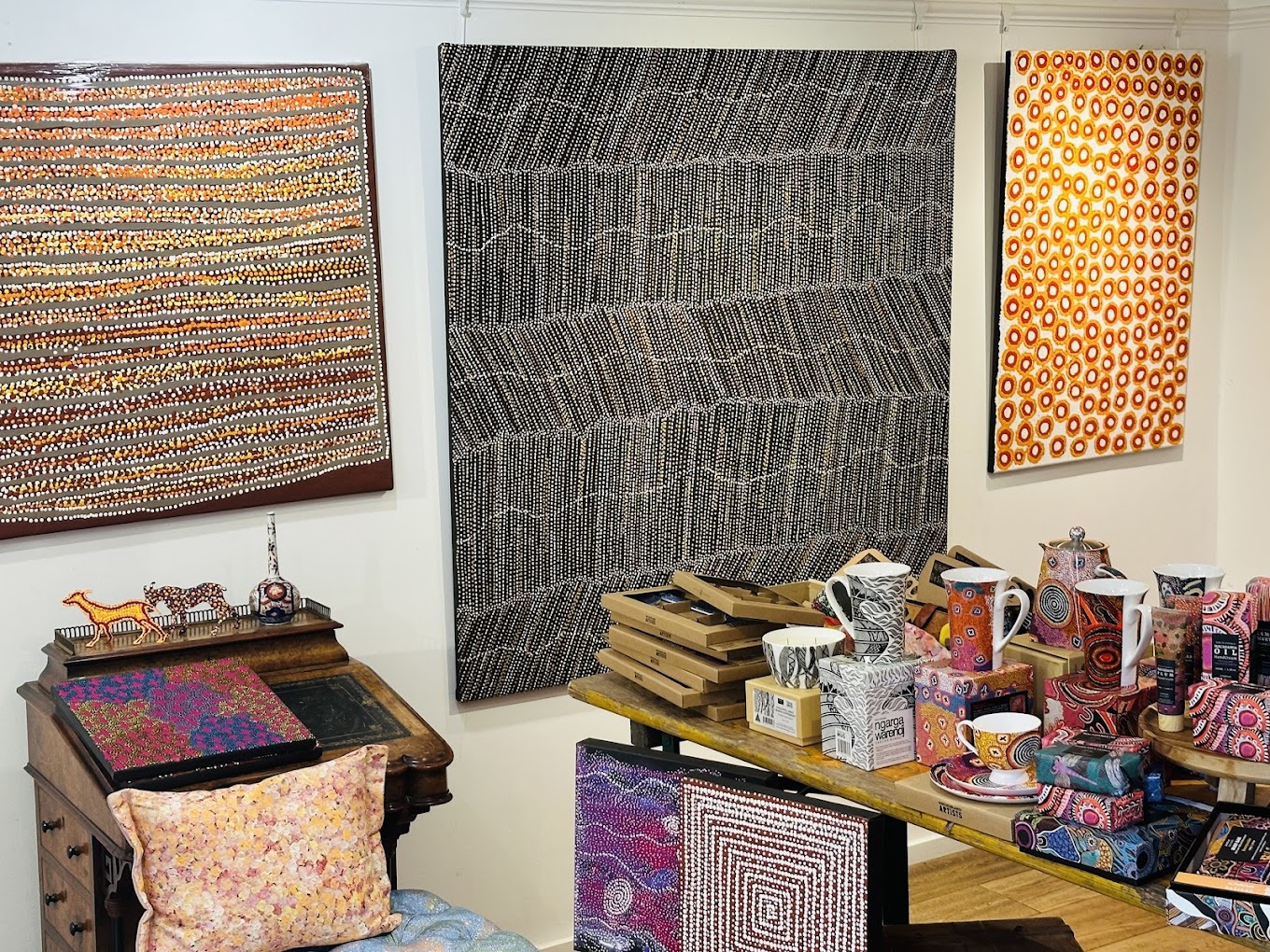
Bay Gallery
Bay Gallery Home is an Aboriginal art gallery based in Tetbury in the United Kingdom. It represents artists from Aboriginal communities in Australia.
Image: Bay Gallery
View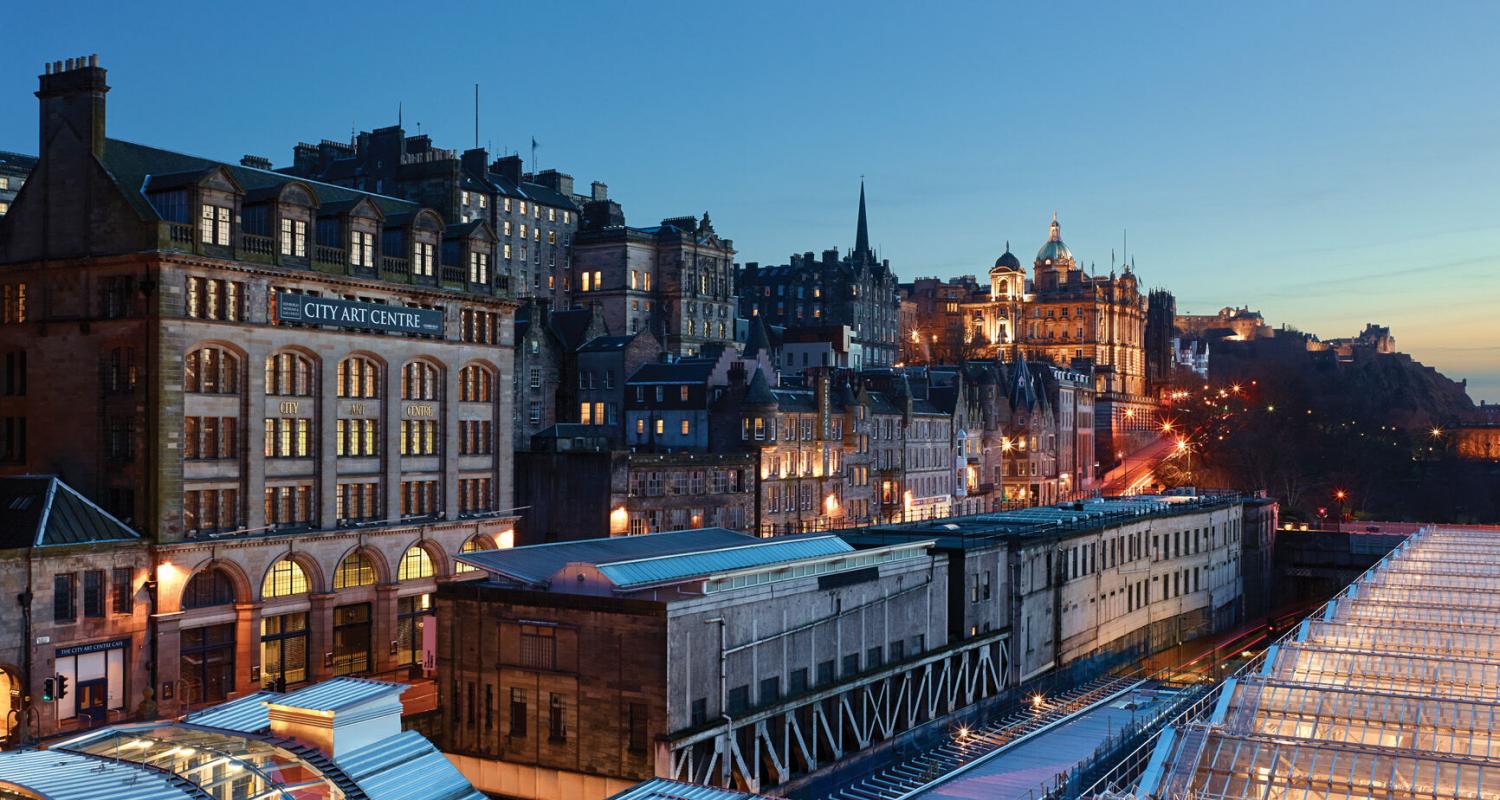
City Art Centre Edinburgh
Edinburgh’s City Art Centre, with its focus on Scottish art, occasionally hosts exhibitions featuring Australian Aboriginal art, enriching its collection with international works. These exhibitions provide Scottish audiences with unique insights into Aboriginal culture, enhancing the Centre’s reputation for cultural diversity and global artistic exchange. The inclusion of Aboriginal art aligns with Edinburgh’s inclusive spirit, contributing to the Centre’s role in fostering cross-cultural understanding through art.
Image: Edinburgh Museums
View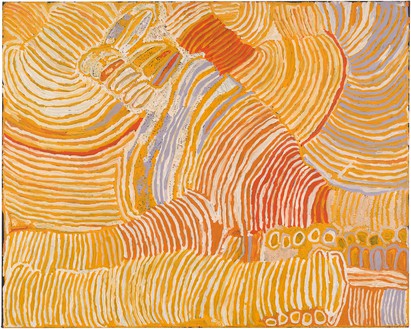
Gagosian
The Gagosian Gallery, celebrated globally for its contemporary art, has solidified its esteemed reputation through showcasing modern and cutting-edge art from iconic figures such as Andy Warhol and Jeff Koons. Renowned for its high-quality exhibitions and a diverse array of artistic expressions, the gallery represents the forefront of the contemporary art scene. Its foray into exhibitions like “Desert Painters of Australia” reflects its expanding cultural breadth, illustrating a commitment to embracing a diverse range of artistic narratives, including Australian Aboriginal Art. This approach underlines The Gagosian’s influential role in shaping trends and fostering cultural diversity within the international art community.
Image: Kungka Kutjarra by Makinti Napanangka. Image Via Gagosian.
View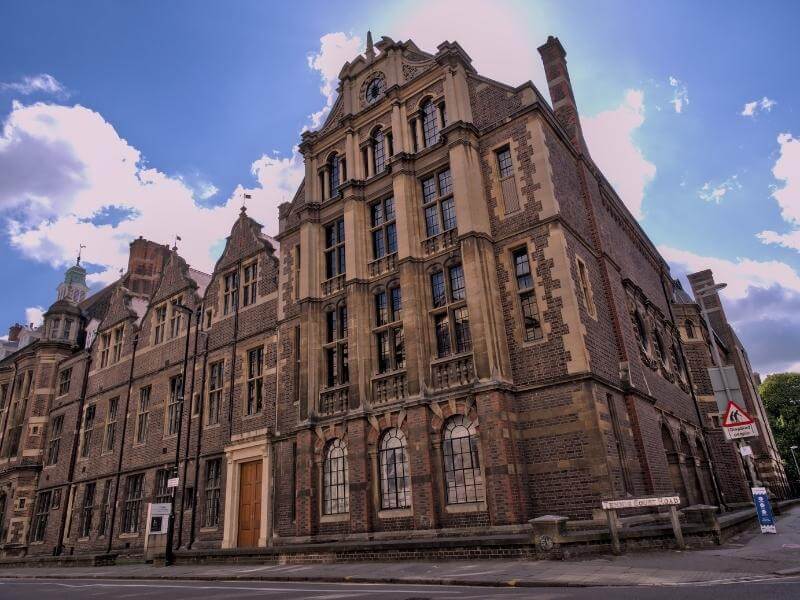
Museum of Archaeology and Anthropology
The Museum of Archaeology and Anthropology at the University of Cambridge, with its rich collection of human history and culture, occasionally features Australian Aboriginal art, highlighting the museum’s dedication to showcasing diverse global cultures.
Image: The Museum of Archaeology and Anthropology. Photography by Andrew Lorey.
View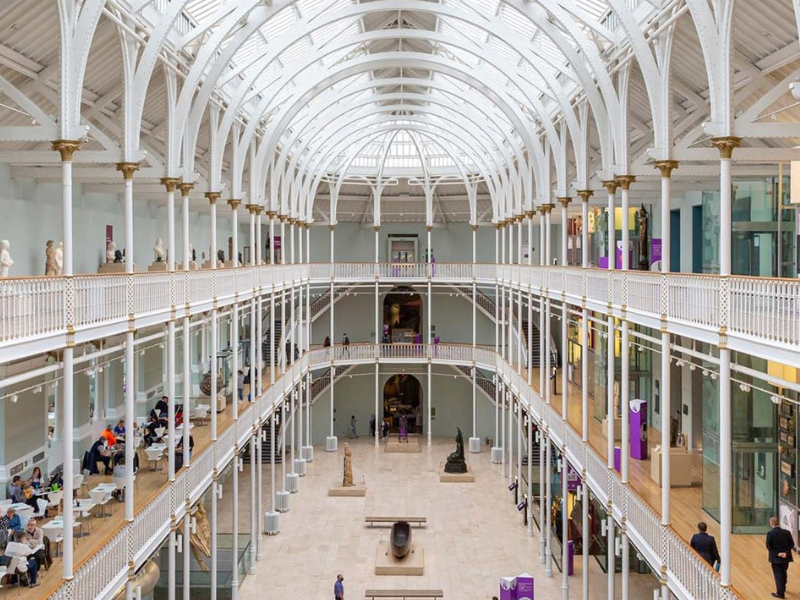
National Museum of Scotland
The National Museum of Scotland in Edinburgh is renowned for its extensive collections that encapsulate human history and the arts, including occasional exhibitions on Australian Aboriginal art. These exhibitions serve to educate and immerse visitors in the rich cultural heritage of Aboriginal peoples, complementing the museum’s focus on Scottish and global narratives. The museum’s engagement with Aboriginal art reflects its dedication to diversity and international cultural exchange, bolstering its standing as a premier venue for historical and contemporary art appreciation.
Image: National Museum of Scotland
View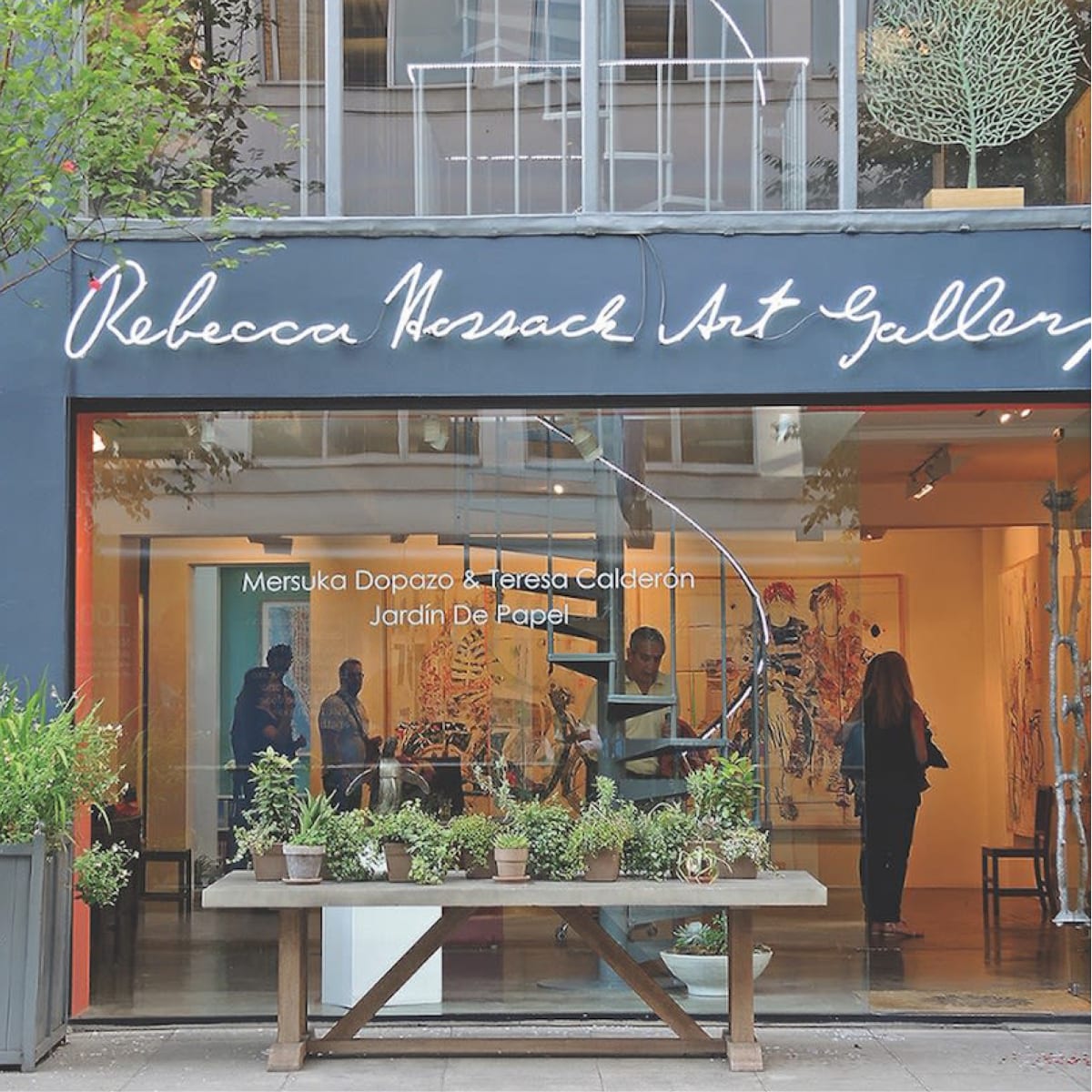
Rebecca Hossack Art Gallery
The Rebecca Hossack Art Gallery is located in London, and is noted for its innovation and individuality. It stands out for its 35-year dedication to both Non-Western artistic traditions and Western Contemporary Art. It has the distinction of being the first gallery in Europe to showcase Australian Aboriginal painting.
Image: RebeccaHossack.com
View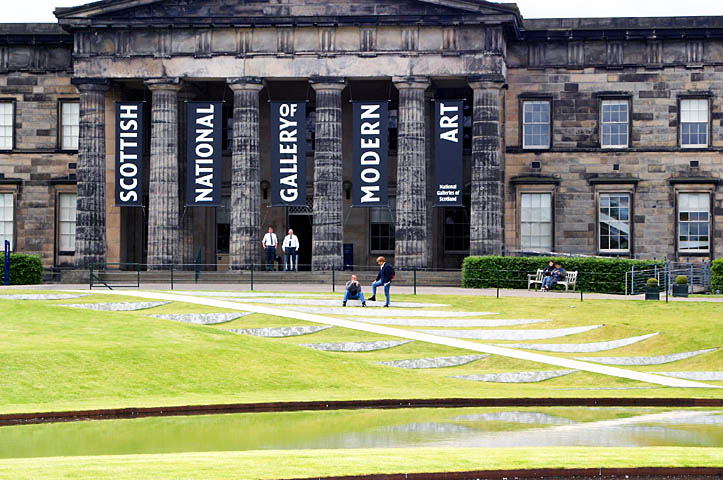
Scottish National Gallery of Modern Art
The Scottish National Gallery of Modern Art is celebrated for its modern and contemporary collections, occasionally featuring Australian Aboriginal art, providing rare but profound insights into Indigenous culture. Although these exhibitions are infrequent, they complement the gallery’s wide-ranging focus on international art, underlining its commitment to diversity and education in the arts. Through such showcases, the gallery continues to uphold its reputation as a significant venue for the appreciation of global artistic traditions.
Image: via Martin Burns, Flickr
View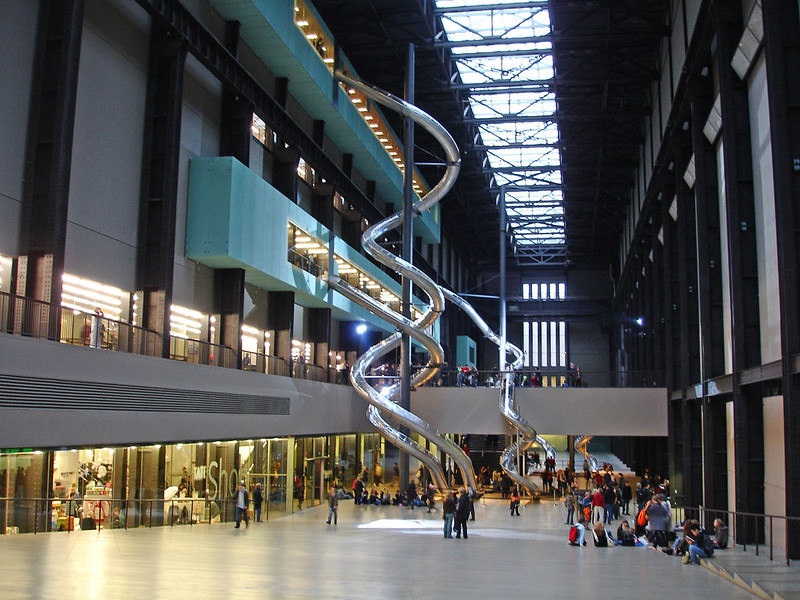
Tate Modern
Tate Modern Gallery in London, renowned for its contemporary and modern art collections, has occasionally showcased Australian Aboriginal art, offering valuable insights into Indigenous cultures and artistic traditions. These exhibitions, including “A Year in Art: Australia 1992”, highlight Tate Modern’s inclusive approach to global art, contributing to the gallery’s reputation as a premier destination for diverse and dynamic art experiences.
Image: All Is Possible, Flickr
View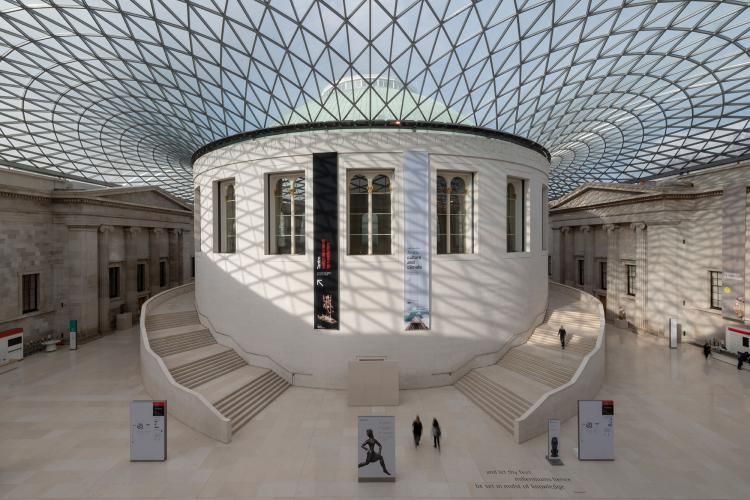
The British Museum
The British Museum, known for its extensive collection of global historical and cultural artefacts, occasionally features Australian Aboriginal art, as seen in significant exhibitions like “Enduring Civilisation.” These showcases highlight the museum’s commitment to representing diverse cultures and histories, including the rich traditions and spirituality of one of the world’s oldest continuous cultures.
Image: The British Museum
ViewWhat is Aboriginal art?
Aboriginal art is part of the culture of Australian Aboriginal people who have lived on the Australian continent for over 50,000 years. They represent the longest continuous culture to be found anywhere on earth. Examples of Aboriginal art are found in caves and rock shelters, and the oldest of these have been dated back at least 18,000 years.
When did Aboriginal art start / how old is Aboriginal art?
Aboriginal art is part of the oldest continuous living culture in world history, with Australian Aboriginal people having settled on the Australian continent somewhere between 60,000 and 80,000 years ago. Evidence of Aboriginal culture is found in the rock art, which so far has been dated back at least 20,000 years, while archaeology has dated ancient campsites back to 50,000 to 65,000 years. Contemporary Aboriginal art is considered to start at the desert community of Papunya in 1971, when senior desert men began to paint their cultural stories using modern materials. This was prompted by school teacher Geoffrey Bardon requesting that school children paint their own stories, leading the senior men to open up their deeply held cultural knowledge to outside observers. The Papunya Tula desert art movement then influenced other communities to join the art movement through the following decades.
Where did Aboriginal art come from?
Australian Aboriginal people had two traditional forms of communication. These were oral storytelling and song as well as visual communication through drawing, painting and the use of ceremonial design. There was no written language, however for many survival depended on the ability to remember where food and water sources could be found at different times of the year. Aboriginal artists often paint maps of Country showing important landmarks. They often use an aerial perspective even when they have never been in a plane.
What is “Dreaming” (or “Dreamtime”) in Aboriginal art?
At the heart of Aboriginal culture and therefore of Aboriginal art, is the Creation law set down in the Dreaming, which provides the identity for traditional Aboriginal people and their connection to the land. Dreamtime is one translation of the Creation time for Aboriginal people, other terms often seen are Jukurrpa and Tingari - the term used varies according to the particular local language. Many Aboriginal artists paint aspects of their Dreaming, which forms part of their inheritance and their identity.
Read More: Aboriginal Art and the Dreamtime
Can I learn about specific Dreaming stories (e.g., Seven Sisters, Water Dreaming)?
Yes, Japingka’s guides cover stories like Seven Sisters (Pleiades) and Water Dreaming, explaining cultural context and how artists depict them.
Read More: Aboriginal Dreamtime Stories
What is dot painting and where did it come from?
Australian Aboriginal dot paintings are typical of a style of art works from the Central and Western Desert. They are a medium for telling stories and enlivening culture.
Read More: Aboriginal Dot Painting
Japingka Gallery ships Aboriginal artworks worldwide. View artwork collections.