Australian Aboriginal Art in Germany
Germany, with its rich historical tapestry and a profound appreciation for art, opens its arms to the vibrant and storied world of Australian Aboriginal Art. Much like the prestigious collections housed in the Alte Nationalgalerie in Berlin or the Städel Museum in Frankfurt, Australian Aboriginal Art offers a unique insight into ancient traditions, storytelling, and artistic expression. This guide has been crafted to guide art enthusiasts through Germany's finest galleries, where the beauty and cultural significance of Australian Aboriginal Art is highlighted and revered.
From the cosmopolitan art hubs of Berlin and Munich to the more quaint and charming galleries in smaller cities, Germany offers a diverse range of venues for exploring Australian Aboriginal Art. These galleries act as cultural bridges, similar to the role of the Museum für Völkerkunde in Hamburg, connecting audiences with the rich heritage and contemporary expressions of Australia’s Indigenous peoples. Whether set against the backdrop of historic landmarks like the Brandenburg Gate or nestled in the vibrant neighbourhoods that define Germany’s urban landscapes, these spaces provide a platform for authentic engagement with Aboriginal art.
The galleries featured in this guide offer a space for dialogue, learning, and appreciation, much like the Forum für Kultur und Wissenschaft in Stuttgart, which fosters cultural exchange and understanding. Embark on a journey through Germany’s art scene, as we unveil the galleries and spaces where the stunning narratives and visual language of Australian Aboriginal Art are waiting to be discovered and celebrated.
Galleries in Germany featuring Australian Aboriginal Art
Australian Embassy in Berlin
The Australian Embassy in Berlin serves as a cultural beacon, showcasing the diversity and depth of Australian art, particularly Aboriginal artworks. Through its exhibitions, the embassy highlights traditional Aboriginal stories and contemporary perspectives, facilitating cultural dialogue in Europe. It emphasises the international relevance of Aboriginal art, reflecting the artists’ connections to their ancestral lands and contemporary realities. The embassy’s dedication to these exhibitions not only educates but also strengthens the global presence of Australia’s Indigenous heritage, making it a vital player in international cultural exchange and appreciation.
Image: Australian Embassy in Berlin
View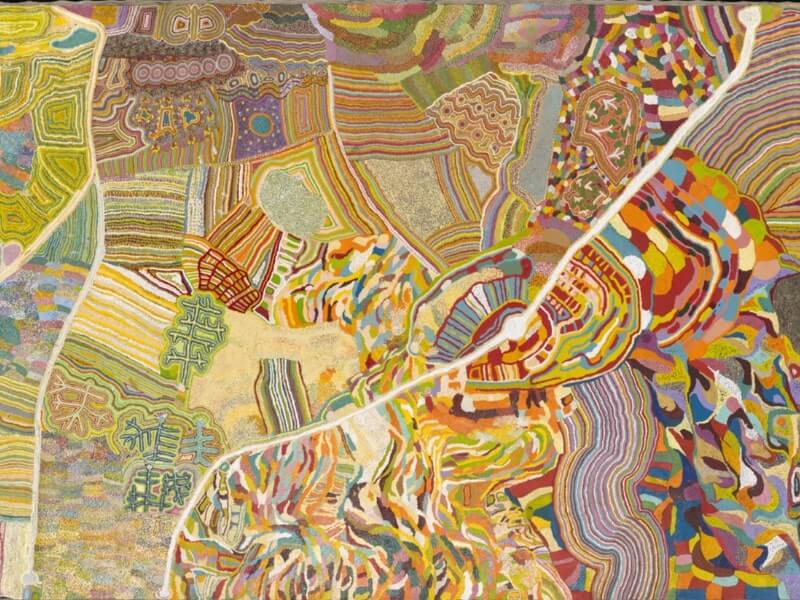
Martin-Gropius-Bau
Berlin’s Martin-Gropius-Bau is renowned for its dynamic and culturally rich exhibitions, often including pivotal displays of Australian Aboriginal art, such as “The Art of the First Australians.” Although it lacks a permanent collection, the gallery’s temporary showcases resonate with global narratives, offering a platform for the intricate stories of Indigenous Australian artistry. Its exhibitions reveal the gallery’s dedication to fostering cultural understanding and ensuring the vibrant traditions and contemporary expressions of Aboriginal art are appreciated within the international art community.
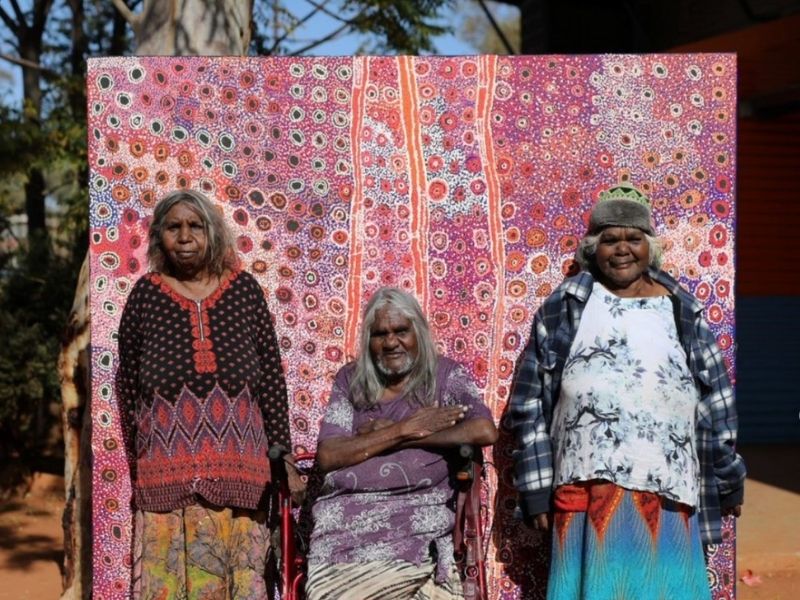
Image: Yarrkalpa (Jagdrevier) by Kumpaya Girgaba, Nancy Taylor, Ngamaru Bidu, Janice Nixon, Reena Rogers, Thelma Judson, Nola Taylor and Yikartu Bumba. Image via Martin-Gropius-Bau.
View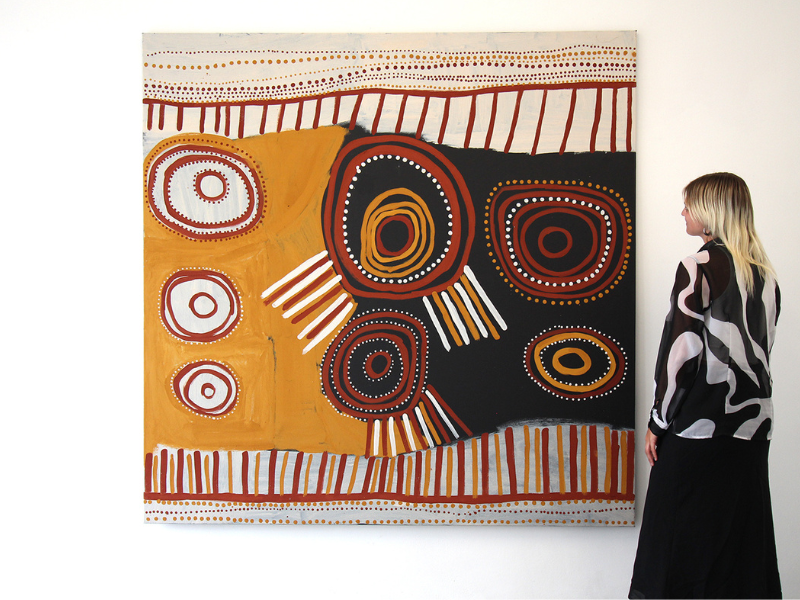
Michael Reid Berlin
Michael Reid Berlin, a gallery with roots in Australia, specialises in presenting high-quality Australian and Aboriginal art to European audiences, fostering cross-cultural appreciation. Known for its engaging contemporary exhibitions, the gallery highlights the rich traditions and modern interpretations of Aboriginal paintings, featuring renowned artists. Through its commitment to showcasing both established and emerging Aboriginal talents, Michael Reid Berlin underscores the importance of these works in the global art narrative and promotes a deeper understanding of the artists’ cultural heritage.
Image: Michael Reid Berlin
View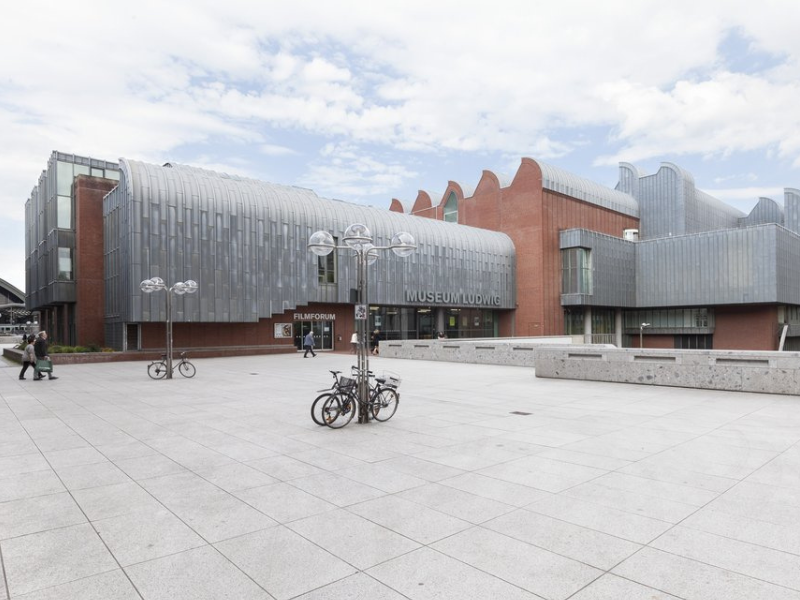
Museum Ludwig
Museum Ludwig in Cologne is acclaimed for its modern art collections, including the largest Picasso collection outside Spain, and has occasionally hosted exhibitions of Australian Aboriginal art. Although European and American art forms its core, the museum’s engagement with Aboriginal art reflects its global outlook and commitment to cultural diversity. Such exhibitions, showcasing Indigenous connections to land and culture, affirm Museum Ludwig’s status as a premier institution for contemporary art appreciation.
Image: Museum Ludwig
View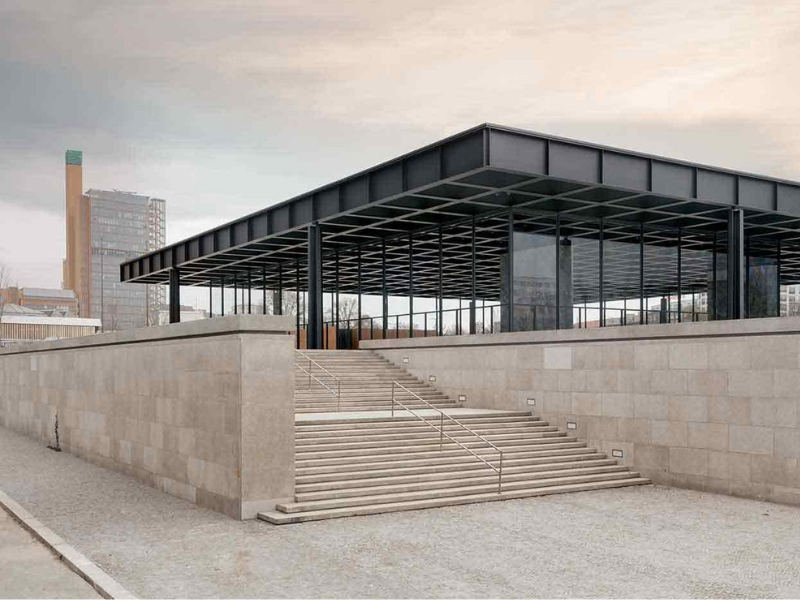
Neue Nationalgalerie
The Neue Nationalgalerie in Berlin, an icon of modernist architecture, is revered for its extensive European modern art collection. Occasionally, it showcases significant works of Australian Aboriginal art, such as the notable “Remembering Forward: Australian Aboriginal Painting since 1960” exhibition. These rare displays highlight the gallery’s openness to global art forms, situating Aboriginal art within the contemporary art scene and fostering cross-cultural discourse. Through such exhibitions, the Neue Nationalgalerie celebrates the rich heritage of Aboriginal artists, enhancing Berlin’s cultural fabric with diverse artistic narratives.
Image: Neue Nationalgalerie
ViewWhat is Aboriginal art?
Aboriginal art is part of the culture of Australian Aboriginal people who have lived on the Australian continent for over 50,000 years. They represent the longest continuous culture to be found anywhere on earth. Examples of Aboriginal art are found in caves and rock shelters, and the oldest of these have been dated back at least 18,000 years.
When did Aboriginal art start / how old is Aboriginal art?
Aboriginal art is part of the oldest continuous living culture in world history, with Australian Aboriginal people having settled on the Australian continent somewhere between 60,000 and 80,000 years ago. Evidence of Aboriginal culture is found in the rock art, which so far has been dated back at least 20,000 years, while archaeology has dated ancient campsites back to 50,000 to 65,000 years. Contemporary Aboriginal art is considered to start at the desert community of Papunya in 1971, when senior desert men began to paint their cultural stories using modern materials. This was prompted by school teacher Geoffrey Bardon requesting that school children paint their own stories, leading the senior men to open up their deeply held cultural knowledge to outside observers. The Papunya Tula desert art movement then influenced other communities to join the art movement through the following decades.
Where did Aboriginal art come from?
Australian Aboriginal people had two traditional forms of communication. These were oral storytelling and song as well as visual communication through drawing, painting and the use of ceremonial design. There was no written language, however for many survival depended on the ability to remember where food and water sources could be found at different times of the year. Aboriginal artists often paint maps of Country showing important landmarks. They often use an aerial perspective even when they have never been in a plane.
What is “Dreaming” (or “Dreamtime”) in Aboriginal art?
At the heart of Aboriginal culture and therefore of Aboriginal art, is the Creation law set down in the Dreaming, which provides the identity for traditional Aboriginal people and their connection to the land. Dreamtime is one translation of the Creation time for Aboriginal people, other terms often seen are Jukurrpa and Tingari - the term used varies according to the particular local language. Many Aboriginal artists paint aspects of their Dreaming, which forms part of their inheritance and their identity.
Read More: Aboriginal Art and the Dreamtime
Can I learn about specific Dreaming stories (e.g., Seven Sisters, Water Dreaming)?
Yes, Japingka’s guides cover stories like Seven Sisters (Pleiades) and Water Dreaming, explaining cultural context and how artists depict them.
Read More: Aboriginal Dreamtime Stories
What is dot painting and where did it come from?
Australian Aboriginal dot paintings are typical of a style of art works from the Central and Western Desert. They are a medium for telling stories and enlivening culture.
Read More: Aboriginal Dot Painting
Japingka Gallery ships Aboriginal artworks worldwide. View artwork collections.